
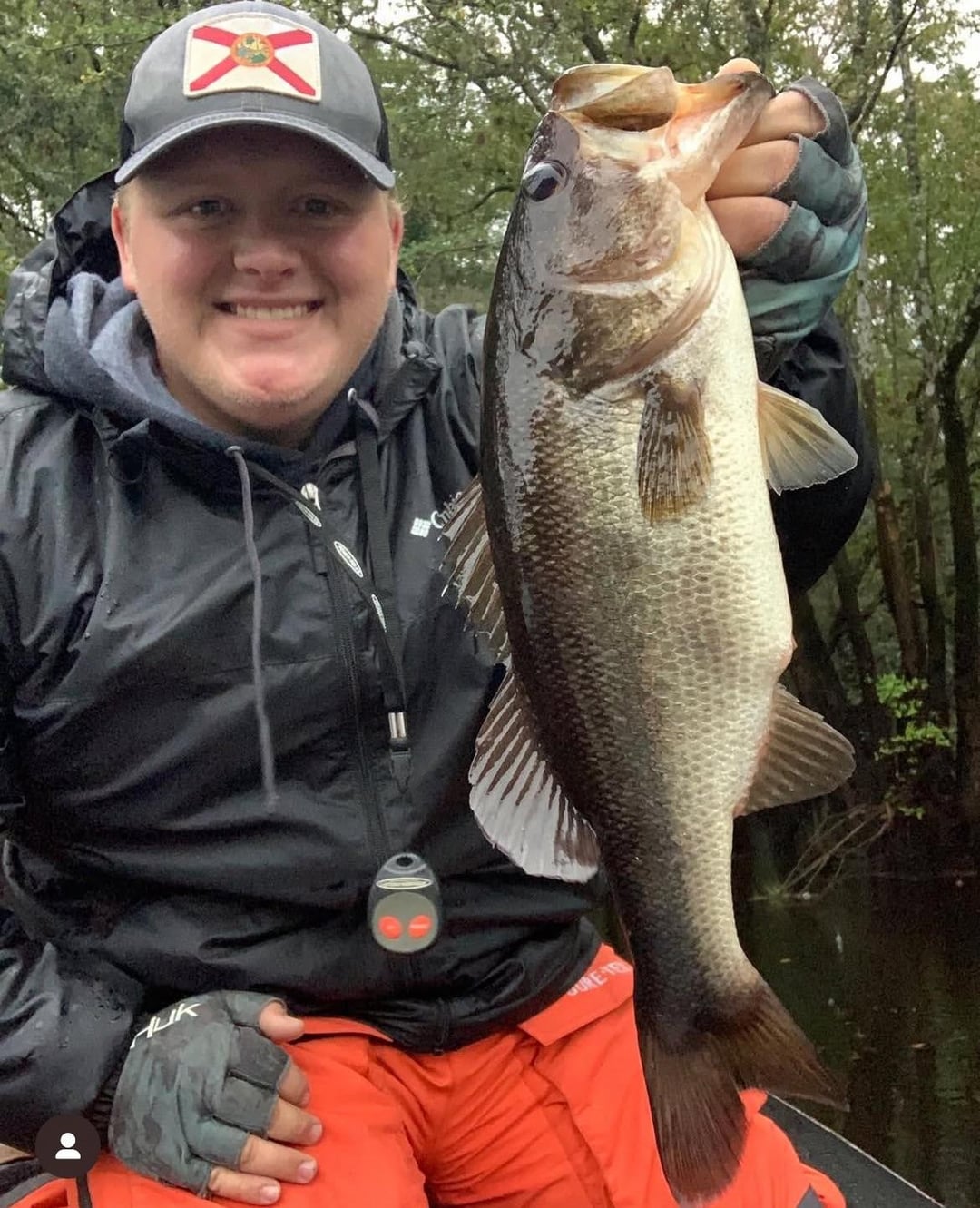
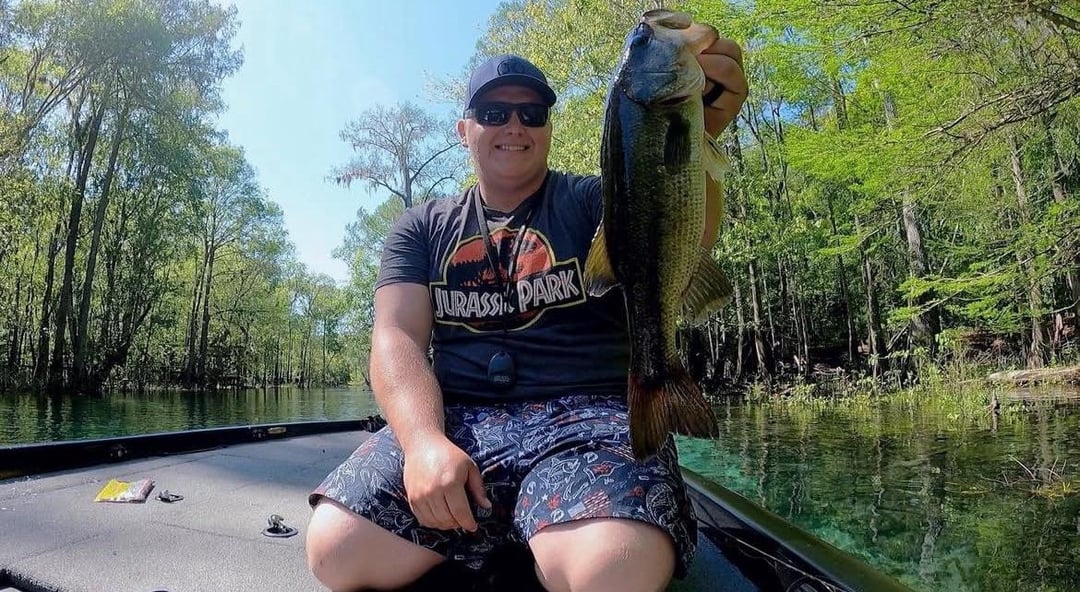
I’ve spent the better part of my life fishing the Suwannee and Santa Fe Rivers. I grew up in North Florida learning these waters long before I ever fished tournaments. I was running jon boats through rock shoals, flipping cypress knees, and catching Suwannee bass before most people even knew what they were. Over the years, I’ve seen the river in every phase you can imagine; low and clear, high and chocolate, spring-fed and steady. I’ve won local tournaments on this system, guided friends and family through stretches from Branford to the Gulf, and learned exactly how current, tide, and moon cycles affect the bite. Between the Suwannee and the Santa Fe, I’ve probably caught more bass on this river than anywhere else in Florida. Here is my guide for anyone interested.
C1 – The “Swanee”
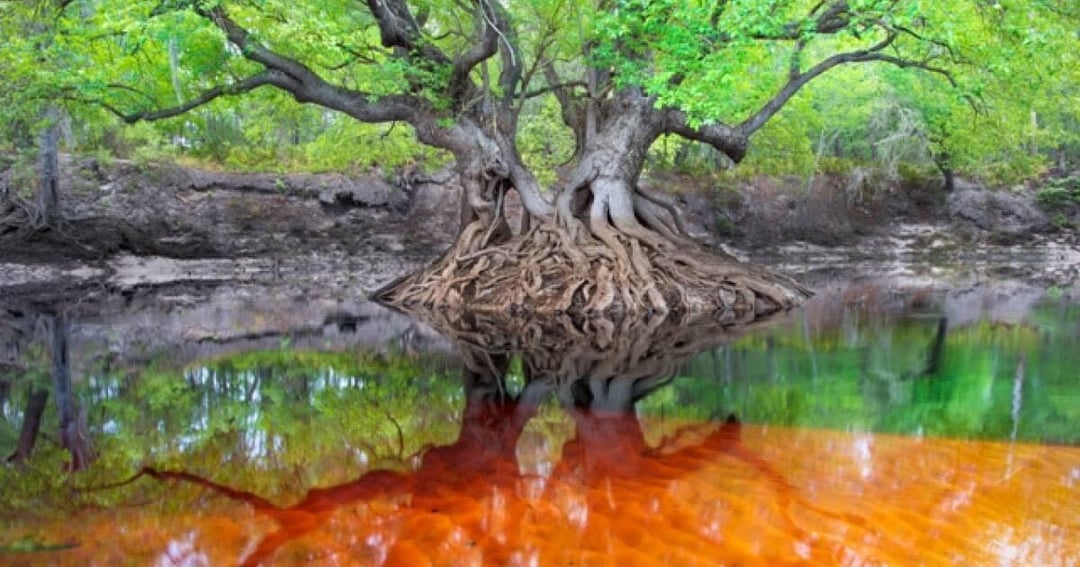
The Suwannee River and its connected waters (Santa Fe, Withlacoochee, etc.) are tannic, full of limerock outcroppings, shelves, shoals, springs, water willows, lily pads, cypress trees and knots, as well as laydowns, brush piles, docks, bridges, sea walls, and man-made rock. Near the mouth of the river, you’ll find shell bars and canals.
To figure this river out, start by looking at how it lays on a map. The sharp twists and turns form sandbars on the outside bends and deeper holes or eddies on the inside—perfect ambush points for bass waiting in still pockets protected from the current.
The water temp stays steady around 76–79°F thanks to the springs, so bass rely heavily on moon phases to trigger spawning.
Main forage: native minnows, shiners, gobies, guppies, hog choker flounders, and the big one—crawfish.
⸻
C2 – The Fish
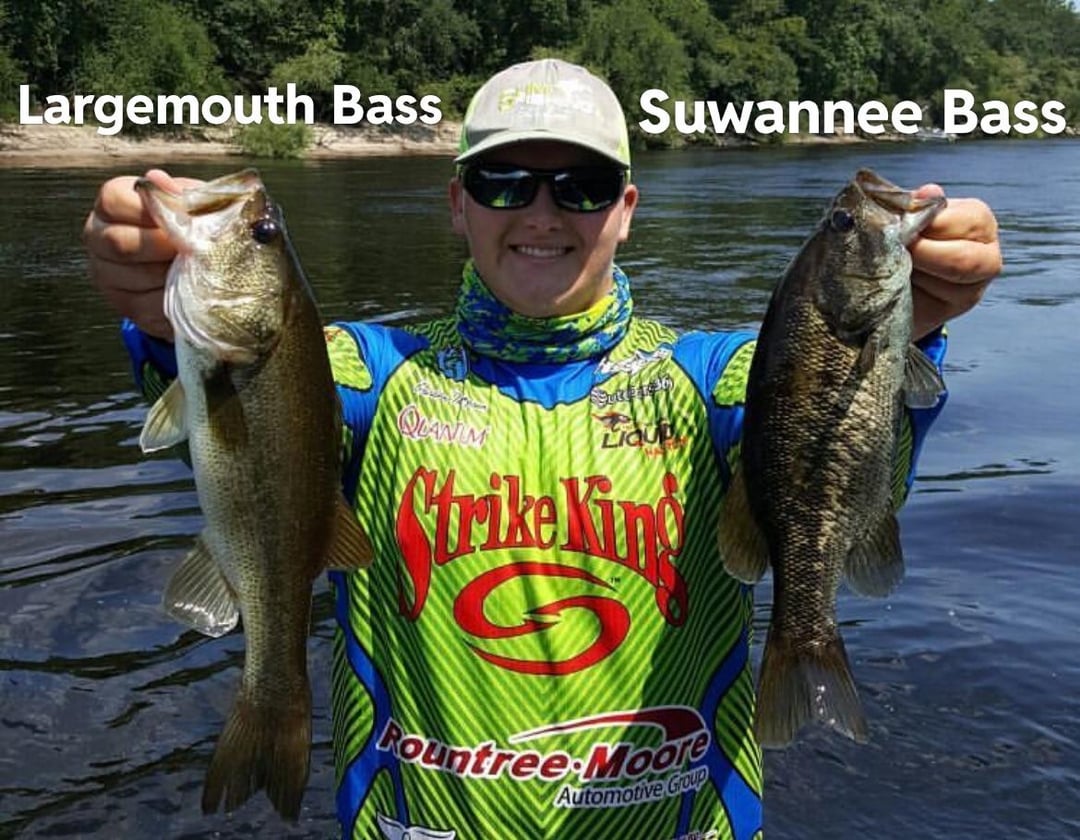
There are two main species of bass in this system: Largemouth and Suwannee Bass.
Both will strike the same lures, but their habits differ drastically.
Suwannee Bass – smaller (record: 3 lb 14 oz), more aggressive, and current-oriented.
They hang around cypress roots, dock pylons, limerock shelves, brush piles, springs, the backsides of laydowns, and rocky outcroppings near boat ramps.
They forage in small schools of 3–10 fish hunting crawfish, minnows, and aquatic insects.
Largemouth Bass – favor calmer eddies, lily pads, cypress tree fields, and back pockets of springs or canals.
They wait in shadows and dark water transition zones to ambush prey.
⸻
C3 – Go-To Baits
Here’s what consistently produces across seasons:
Year-Round:
• Strike King Gravel Dawg 8/10 – Red Crawdad or Dark Brown; rip-rap and rocky banks.
• Strike King Finesse Worm – Black / Bubblegum / Junebug; Texas rig or shakey head.
• Strike King Rage Bug / DB Craw – Alabama Craw / Blue Craw; Texas rig or jig trailer.
• Strike King Caffeine Shad – White / Green Pumpkin; weightless Texas rig or swimbait hook.
• ½ oz Spinnerbait – White/Chartreuse with silver or gold blades.
Spring + Summer:
• ⅜ oz Chatterbait – Bluegill / White-Chartreuse; pair with a Baby Menace or Super Fluke trailer.
• Buzzbait – Black / White / Gold-Black; work under low trees and pads.
• Floating Jerkbait – Silver / Gold; fish near docks and ramps.
• Speed Worm – Junebug / Black / Green Pumpkin.
• Rage Craw – Alabama Craw / Blue Craw / Crawdaddy; Texas rig or jig trailer.
Fall + Winter:
• Topwater Propbait – Silver-Black Back or Silver-Black/Orange Belly.
• Strike King DB Structure Jig 3/8 oz – Blue Craw / Alabama Craw with Baby Rage Craw trailer.
⸻
C4 – Rigging Tips
Use the lightest line possible for casting distance and subtlety.
• Spinning setups: 10 lb Sufix 832 braid → 8 lb fluorocarbon leader (10 ft).
• Casting setups: 10 lb Sufix Siege mono → 8 lb Seaguar Tatsu fluoro.
• Floating Jerkbait & Caffeine Shad: 7’ Medium/Fast spinning rod.
• All other baits: 7’2” MH/F Lew’s Custom casting rod (7.3:1 gear ratio).
For soft plastics, use tungsten weights (⅛–⅜ oz) to maintain compact profiles.
Use black weights to cut shine and avoid spooking fish.
For Texas rigs, pair with 3/0 Eagle Claw EWG or 3/0 Heavy Wire Round Bend hooks.
Always rig trailers straight so they don’t kill your bait’s action.
⸻
C5 – Techniques
This is where it gets technical. The Suwannee changes daily—flow, color, and current all matter.
Floating Jerkbait / Propbait:
Cast tight to cover, let ripples fade, then count to 10.
Give one sharp jerk, let it sit again, then repeat.
Work still pockets where current is light.
Spinnerbait / Chatterbait / Speed Worm:
Straight retrieve or slow roll near cover.
Pause and bump structure every few seconds to trigger reaction bites.
Buzzbait:
Wind parallel to cover with light rod-tip pumps.
Texas Rig / Jig:
Let bait sink 3–4 seconds, then choose a retrieve:
1. Slow drag with pauses.
2. Repetitive bottom bumps (~1/sec).
3. Let current carry the bait and tighten line just enough to feel the bite.
Gravel Dawg:
Cast parallel to the bank.
Reel slow with light rod-side twitches, mixing in quick pauses or speed bursts.
It’s deadly when crawfish are most active.
⸻
The Suwannee is a system that rewards precision and patience.
You’ll learn fast that every bend, spring mouth, and cypress root has a rhythm.
Once you dial in that rhythm, especially around the moon phases, you’ll find bass stacked where most people idle right past.
Posted by Cthompsonoutdoors