
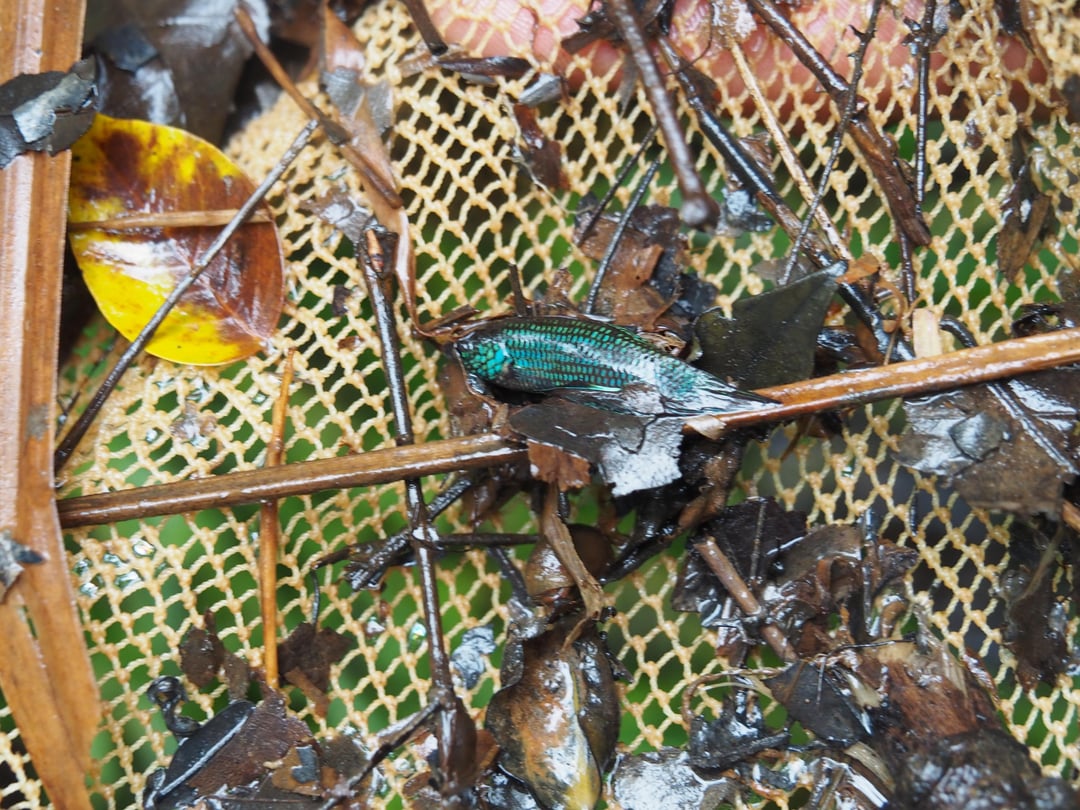
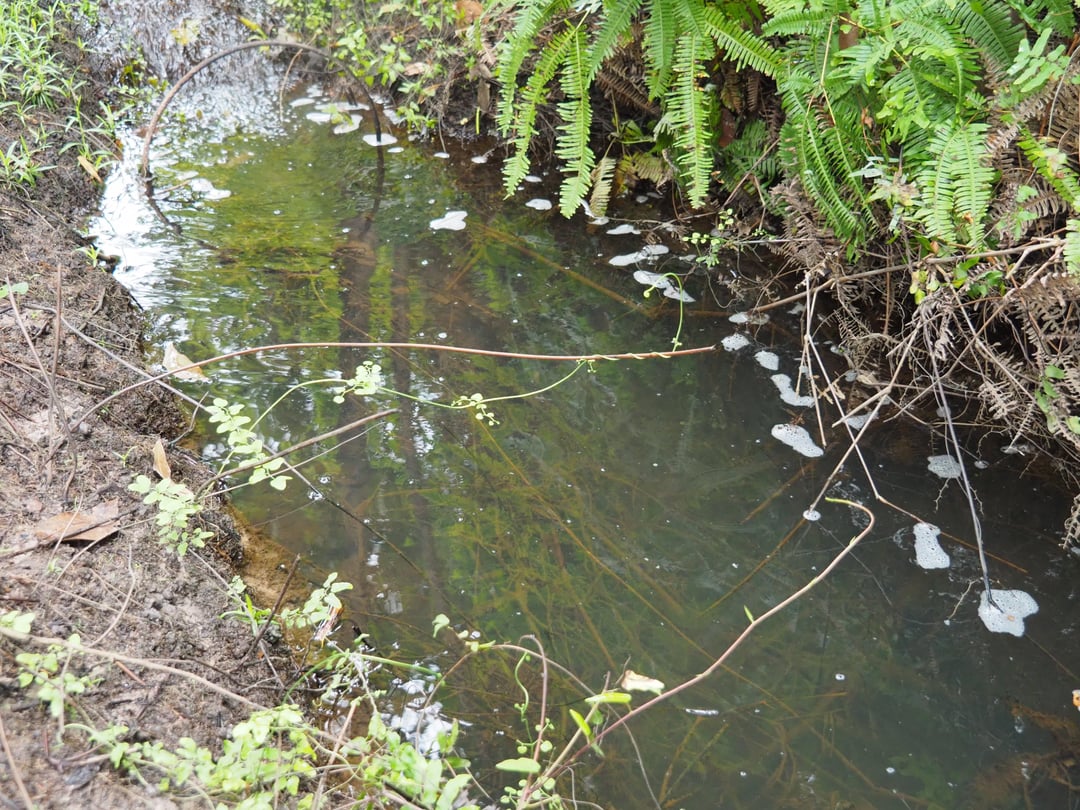
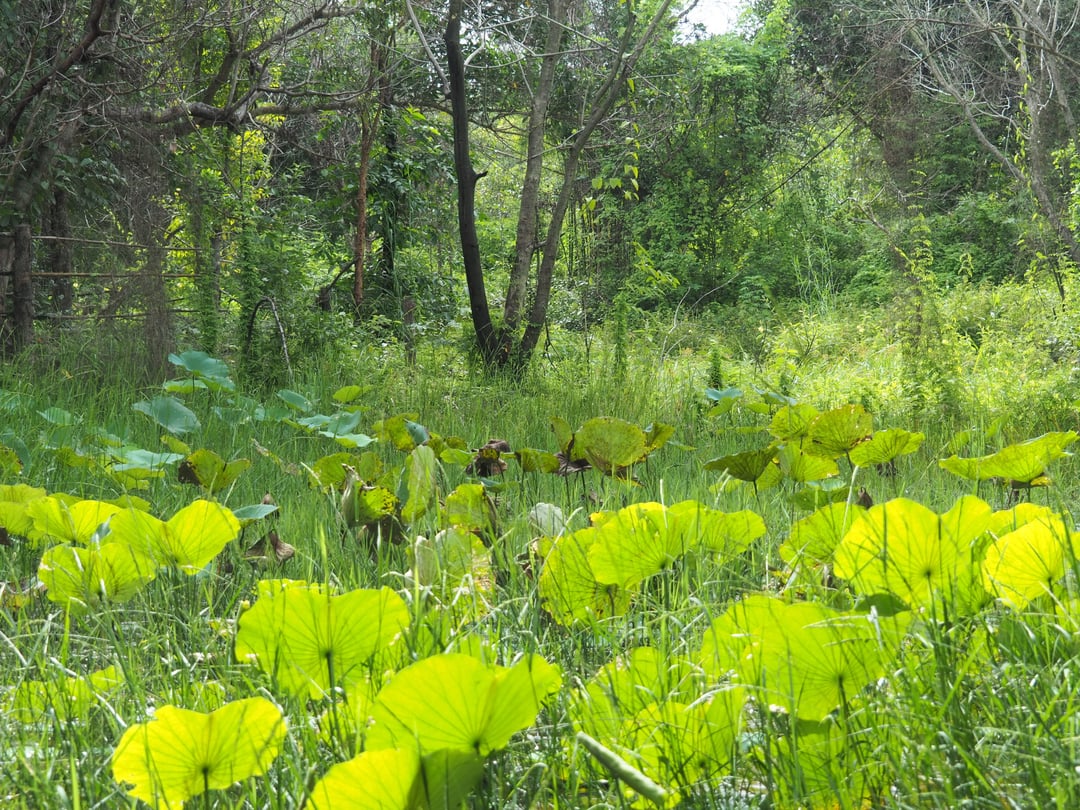
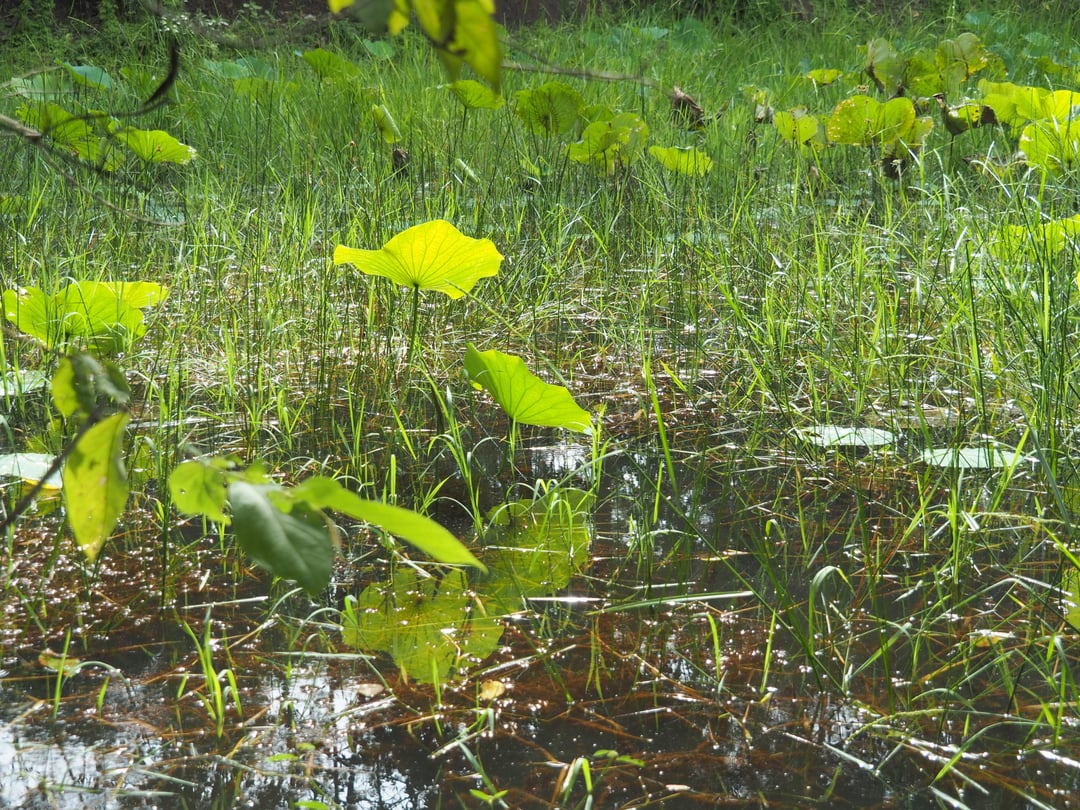
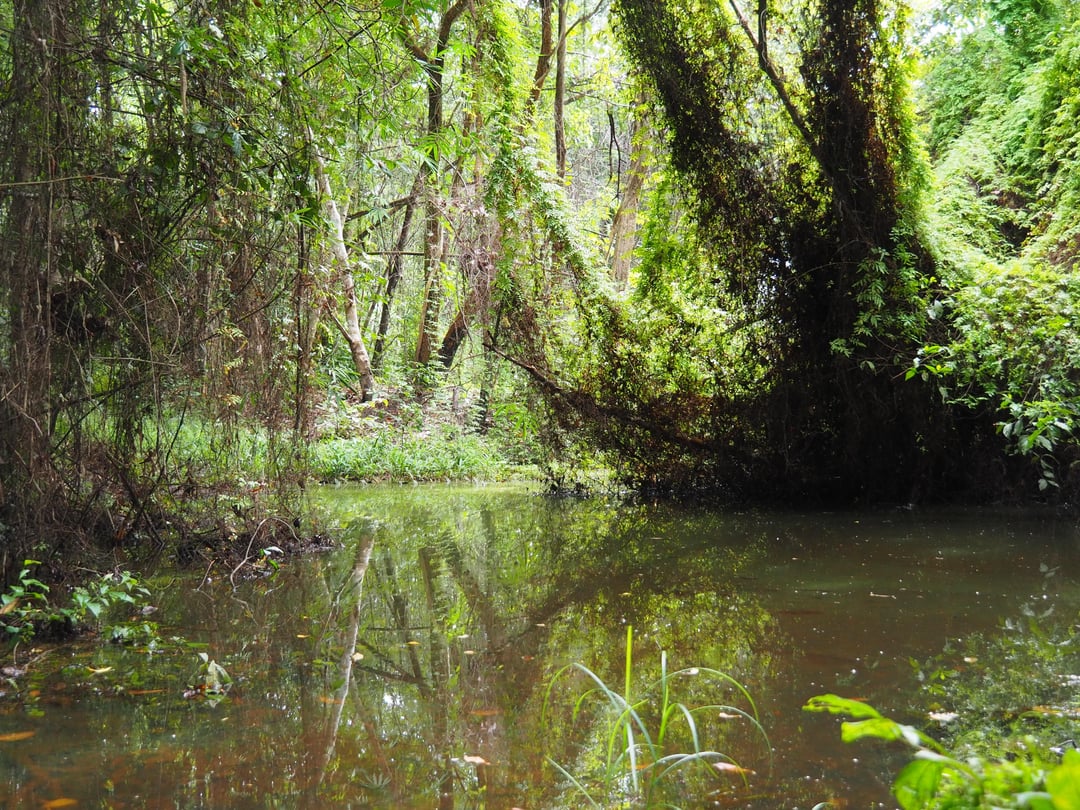
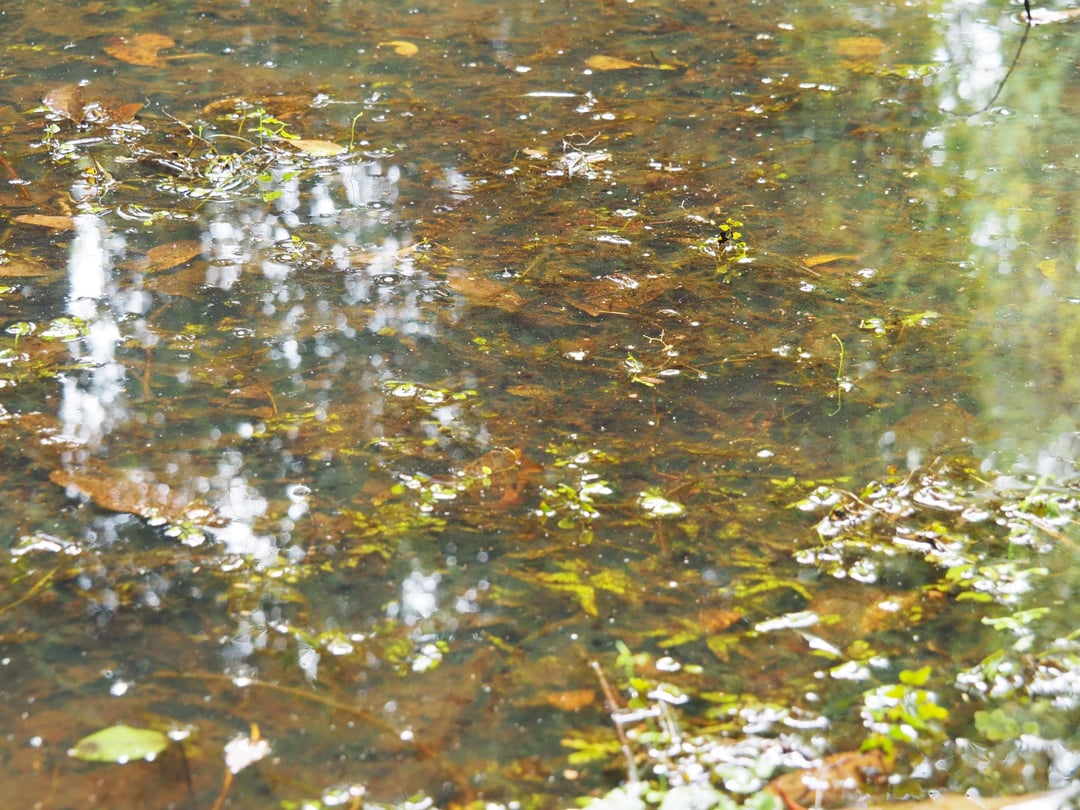
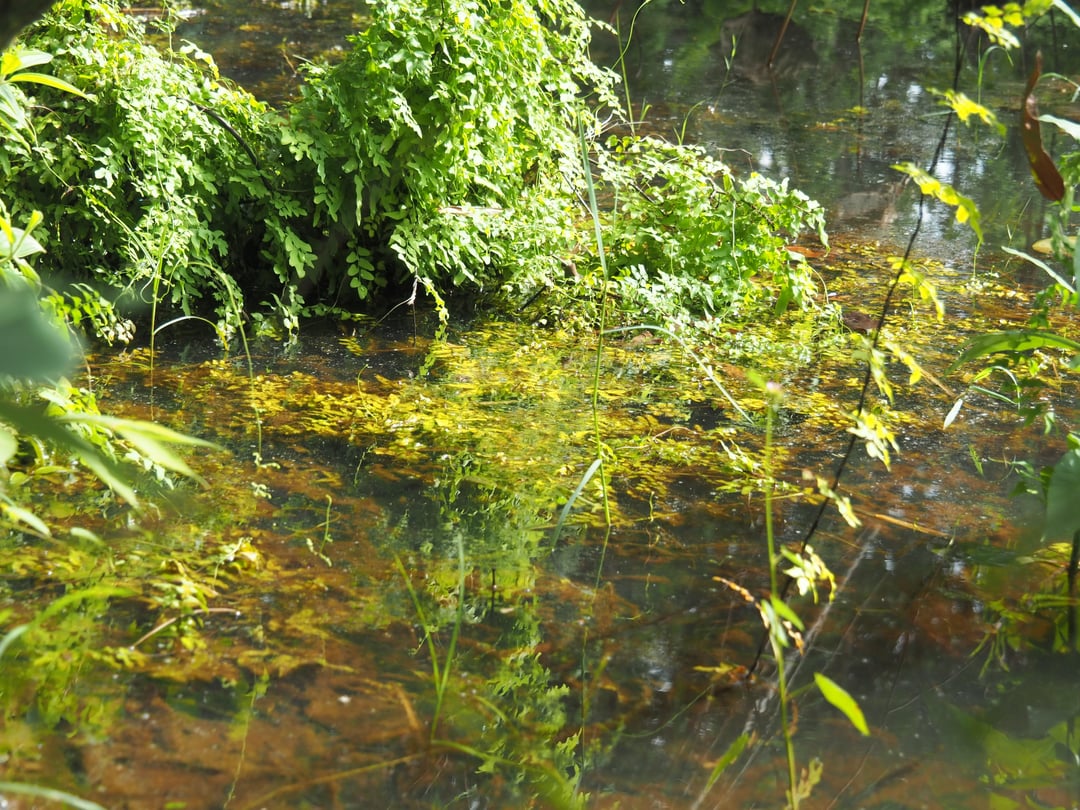
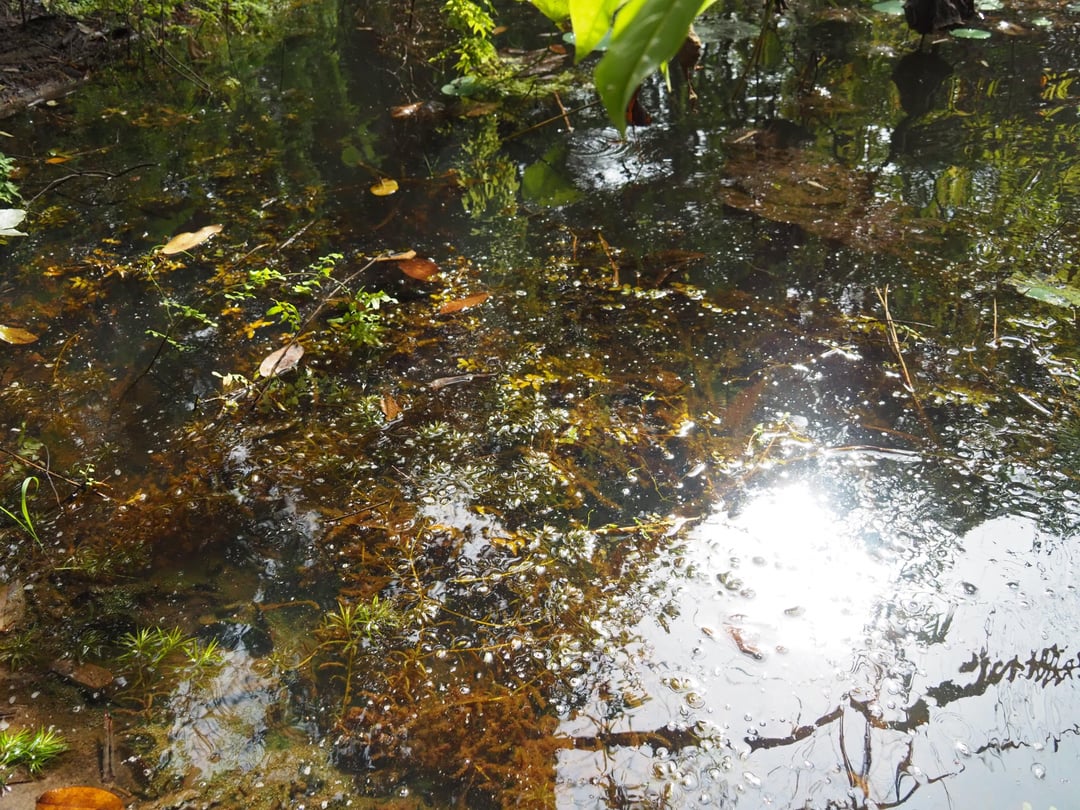
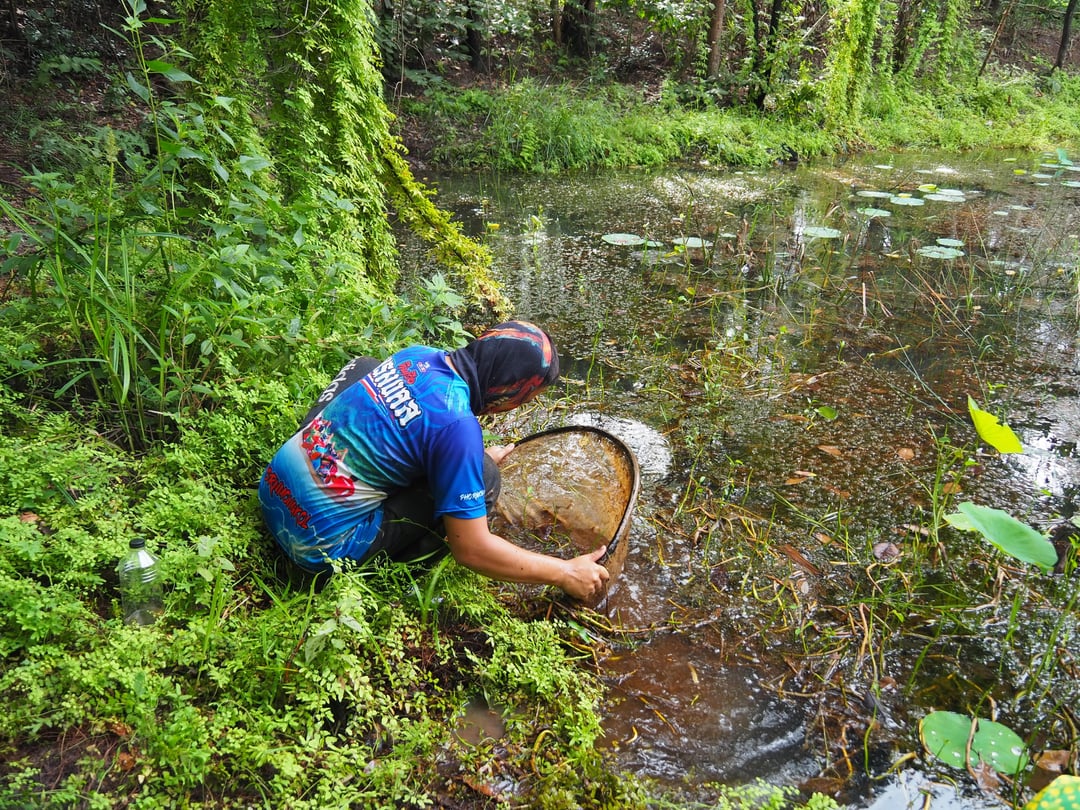
Hi Guys Frank again, for those who don't know me I'm a hobbyist and I also do private conservation work in thailand for the Betta smaragdinas a species from the Splenden complex, As i was going through my computer i came across some old files with some old photographs from a few years ago and thought I'd show you guys incase many of you find this interesting or could use it as a tank idea to replicate for your fish.
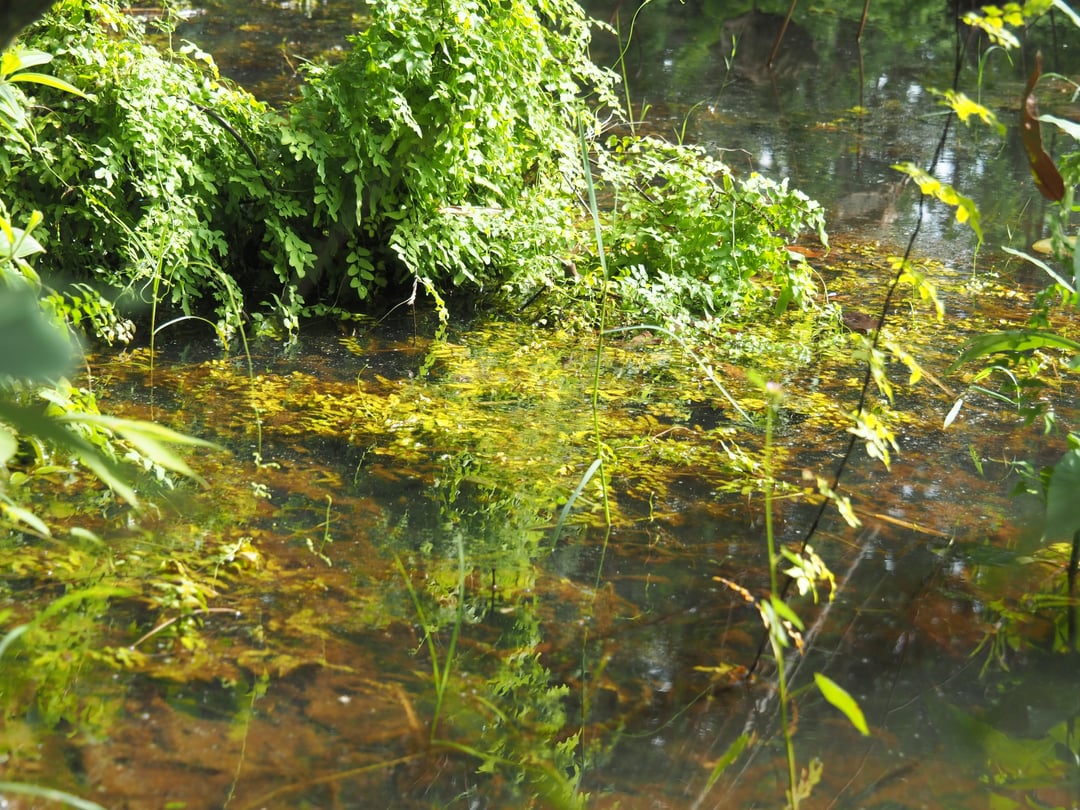
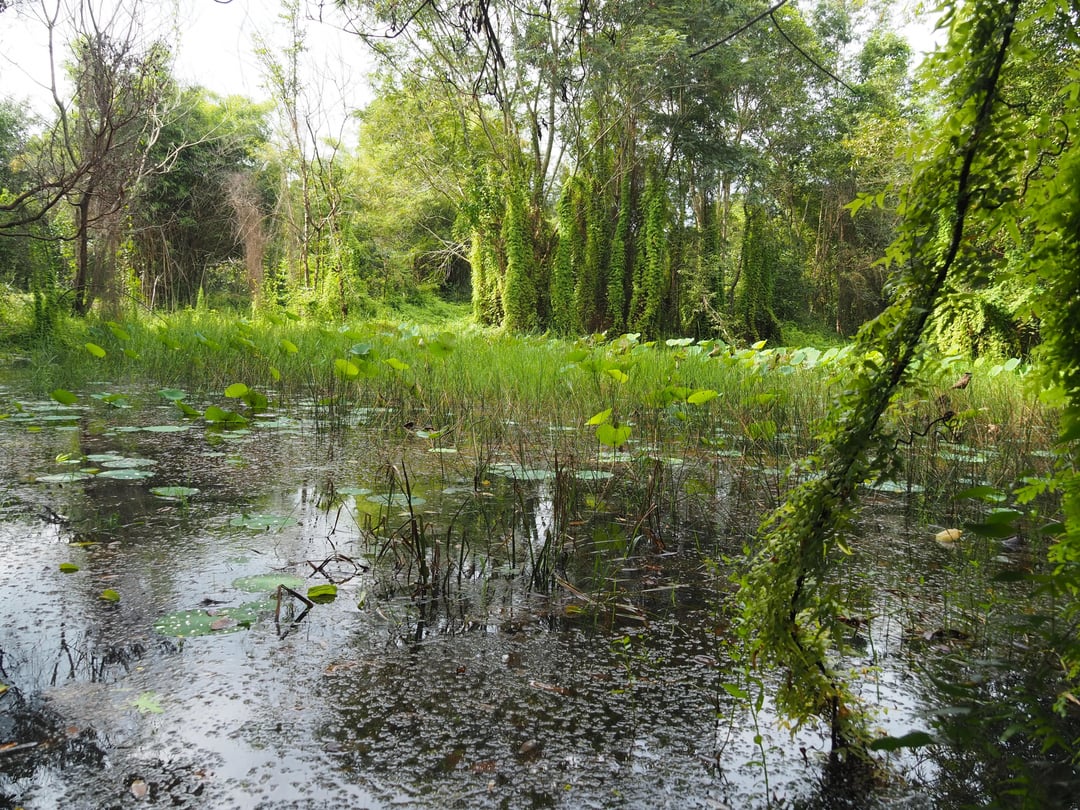
A few years ago me and my team, a team of hobbyist in our region arranged a trip to examine a potentially new wild betta Smaragdina habitat in the up hills of Eastern Thailand bordering Laos just above the mekong delta. This habitat was situated on very high elevation for wild bettas so it was rather unusual to find wild bettas in this area but we noticed the habitat a year or so before this trip and thought it had everything that a wild betta habitat would have such as ferns, rich tannin colored water, marsh like environment ect.
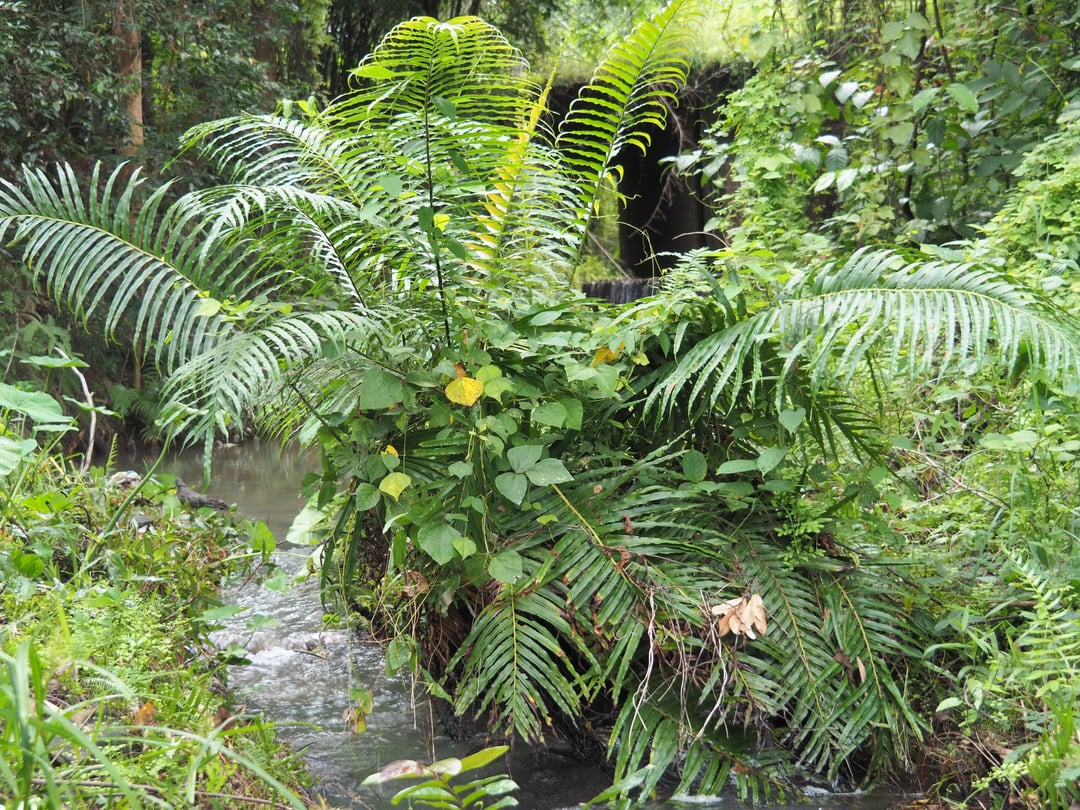
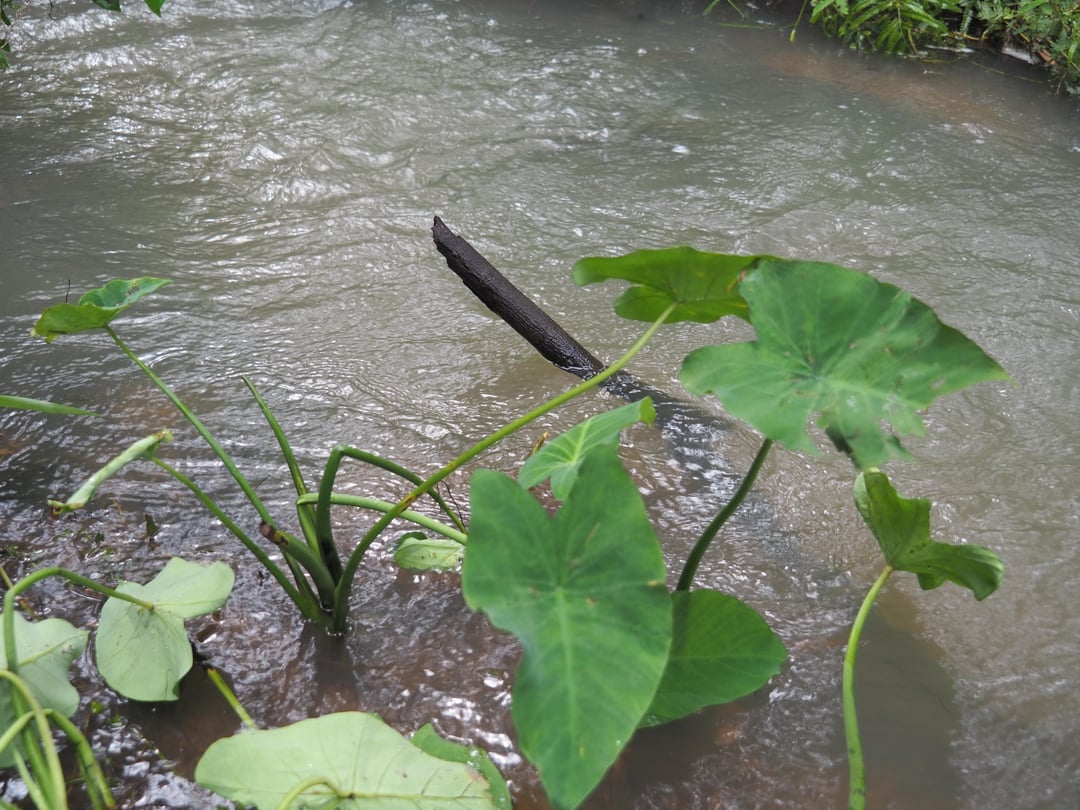
we went with a term of around 6 people and started to explore the area to see if we could find any and the first few nettings caught a bright green male which indicated that this was indeed a betta Smaragdina habitat, during our trip we found that a creek is flowing through the habitat with rock pools and "still water" areas that branches off into the foliage which created areas for these fish to "rest" in but this was not a common site to see in most habitats as wild bettas dislike fast flowing water and will usually live in marsh areas with still water and very little to no flow.
Species we found:
rasbora borapetensis
spotted gourami (territorial and should not be tank mates)
Croaking gourami (territorial and should not be tank mates)
Macrobrachium lanchesteri (aggressive but can be tank mates)
Tiger barbs
Lepidocephalichthys thermalis (Great tank mates)
Plants we found:
Hydrilla
water lilly
Diplazium esculentum (roots submerged but shoots above water level)
Cryptocoryne crispatula var. Balansae
Ceratopteris thalictroides (great plant and see them everywhere in thai streams)Conservation is an essential part to keeping our local species alive and we take it very seriously even though its not funded by our goverment we still try our best and use the resources that we have to do what we can do try and protect the species, the only species I do conservation work for is Betta smaragdina because its our native species here in the region but have friends all over thailand who do similar work with the other species in the splenden comples such as Betta imbellis, Betta splenden, betta mahachaiensis. Although I breed other species also my captive breeding and conservation are completely separated to avoid risk of hybridization to wild stock.
over the past decade I and My team have tried our best to help conserve this particular species through means of "seeding" or in a more simple term breeding wild parents and releasing their F1 spawns into the original habitat which helps rejuvenate the population it is one of the easiest and most affective way to conserve these species when there is no official government funding or programs to protect these species in our areas and we have found success in doing so for years and have created and relocated the species to more potentially safer locations.
Luckily Thailand has become a country that have greatly developed captive bred splenden lines over the past 10 to 20 years of wild betta splendens which have captivated many hobbyist to start keeping captive bred rather than wild caught which have seen a big decrease in exportations of wild caught fish which were an issue when the wild betta scene was taking of. Nowadays people prefer wild bettas which have been refined with selective breeding whilst maintaining that original genetics and look which have greatly increased wild population from what they were 20 years ago.
The main threat for these species is habitat destruction, habitat destruction from farm land clearance or new development or shift of waterways is devastating to species of fish here and affects all type of fish in the habitat, this cannot be stopped because villagers in the area need to create farmland as a way of life so educating them and pleading will not work sadly however the best way we have found to work is by re-creating replica habitats on protected private land which ensures the longevity of the population from habitat destruction or poaching. Although poaching is not a big issue in our region because people do not tend to desire wild caught fish due to their basic traits and characteristics.
if you're a biologist or know of a biologist i would greatly appreciate your help in determining some specimens and their genetics so please reach out if you can. we have only ever worked with In the past a university in the united states to study a number of population of Betta splendens from thailand so i hope one day their data will be published for everyone to read on. Betta splendens in thailand is one of the most hybridized species due to their location being in the middle of very built up human population so tainted genes and fish are released by careless owners very often.
https://www.reddit.com/gallery/1rn67y4
Posted by Franksbettas