
The post Europe’s Favorite Fish Hit By A Strange Genetic Mutation: Should You Be Worried? appeared first on A-Z Animals.
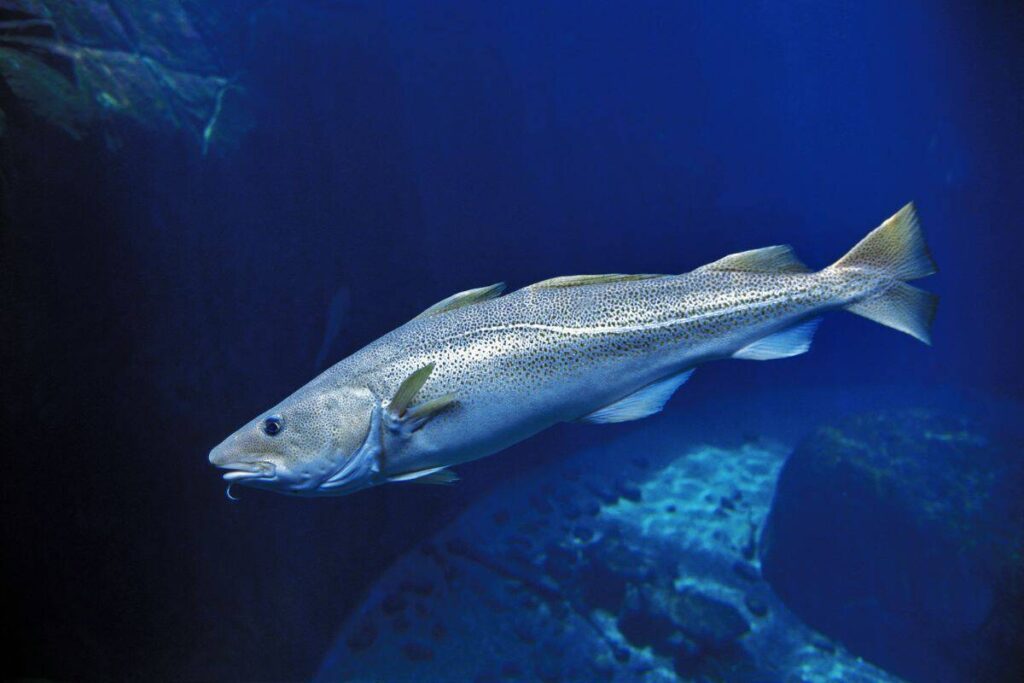
The Atlantic cod, known to scientists as Gadus morhua, has an unwavering presence on European tables, from classic dishes like brandade to the essential fish and chips. For centuries, this fish has filled nets and fueled regional cuisines. Yet over recent decades, an unexpected change has slipped in beneath the surface.
Cod are shrinking. Not just in the market or on the hook, but down to their very DNA. A new study published in June in Science Advances shines a stark scientific light on how human demand has rewritten the natural story of this iconic fish.
Fishing Pressure Leaves a Mark No One Expected
Researchers focused their work in the Bornholm Basin, a corner of the Baltic Sea where cod populations have long been under intense pressure. Between 1996 and 2019, scientists collected hundreds of cod, carefully measuring each fish and, with the help of tiny ear bones called otoliths, reconstructing their year-by-year growth histories.

©Dennis Jacobsen/Shutterstock.com
The results confronted long-held fears in the scientific community. Within just two decades, the average adult cod’s length plummeted from over 40 centimeters to barely 20. This wasn’t merely a matter of overfishing; something deeper was happening within the species itself.
The Genetic Shift Hidden in Plain Sight
Industrial fishing tends to favor the biggest fish: their size brings in higher profits, so they are targeted most intensely. Over time, nets and practices are refined to catch these giants, frequently allowing smaller cod to slip through or evade capture altogether. While this may have seemed like a clever strategy for sustainability, it catalyzed an unintentional experiment in natural selection.
With each passing generation, the cod that survived and reproduced were the ones that matured quickly at smaller sizes. The team extracted and examined DNA from the cod caught across the study period. Certain genetic variants, those associated with smaller size and slower growth, became more common.
“It’s fascinating from a scientific viewpoint, but worrying ecologically,” noted Professor Thorsten Reusch, a co-author of the research. The DNA tells a simple but unsettling story: generations of fishing have driven the cod population toward traits that make them harder to sustain and less profitable for fisheries.

©Leonid Sorokin/Shutterstock.com
Recovery Is Not Guaranteed
Now, Baltic Sea cod stocks stand weakened. Even after targeted fishing was halted in 2019, their numbers have shown little sign of meaningful rebound. What’s worse is that reversing this genetic shift is not a simple matter.
Evolution, once propelled in a new direction, does not easily snap back. Scientists warn it could take decades, or even longer, before larger cod naturally reappear, if at all. The changes induced by human fishing preferences have become part of the cod’s very structure.
A Window Into How Humans Reshape Nature
This research exposes how fishing practices, rather than just reducing numbers, can transform the fundamental identity of a species. The story of Europe’s cod is not just about declining catches, but about how our choices ripple through generations, affecting ecosystems and economies alike.
As scientists look to restore balance among ocean stocks, the shrinking cod reminds us that the impacts of our appetites may extend much further, and last much longer, than anyone first imagined.
The post Europe’s Favorite Fish Hit By A Strange Genetic Mutation: Should You Be Worried? appeared first on A-Z Animals.