
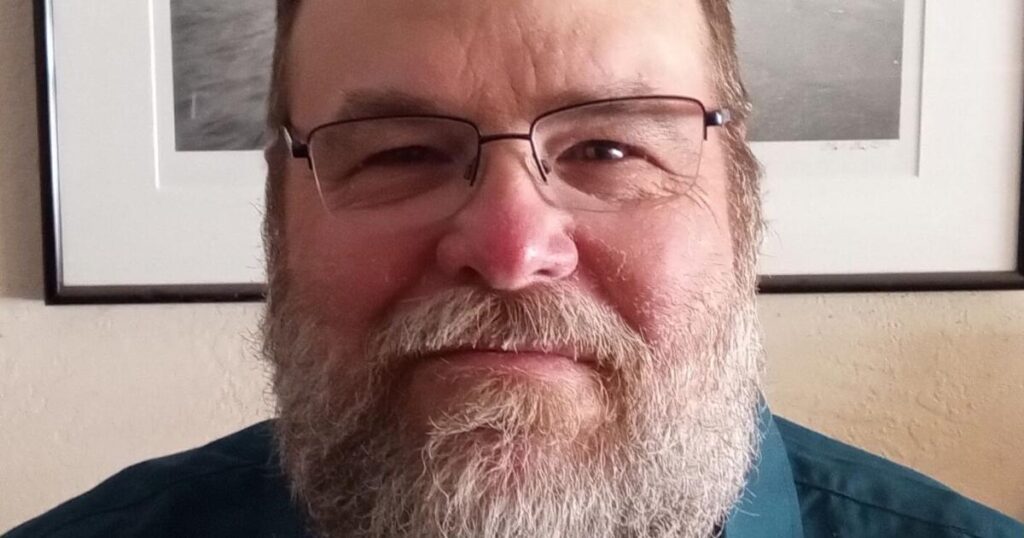
I am a dedicated advocate for public lands, a defender of all things wild and an avid recreational fisherman. All three flow from the same spring and are linked together in my view of the natural world.
While there are occasions where what the overall conservation community wants and what sportsmen want might differ, the core issues are usually shared. We have far more in common than we don’t.
Supporting clean water for people and for wildlife. Protecting habitat for all species. And most pressing protecting public lands. All of us want places for people and for wildlife, and for the full range of outdoor recreation activities that are a high priority for Americans.
Hunters and fishermen are pushing back against the current federal government assault on our public lands. Places lost to development and exploitation, clear cuts, and massive road networks are lost to sportsmen just as there are lost to all of us.
What unites conservation groups, outdoor recreation enthusiasts, and sportsmen is so much stronger and vibrant than what might divide us.
I’m not a hunter, but I understand its conservation value with well-regulated games species effectively managed with sound, current and robust wildlife science. I understand it’s an outdoor and family tradition, a cultural part of rural life, particularly in the American South.
But I was raised in a family of fishermen. That is my conservation and cultural tradition.
I love to try to catch fish!
My Grandfather was a fisherman. His diet was mostly based on things that swam. He would fish the smallest pond or along the Gulf of Mexico, and what he caught he ate. I don’t recall a meal we shared where fish was not on the menu. He taught my brother and I to fish, and I still have one of his old flyrods.
He hunted in his youth growing up in rural Ohio, but that was to feed a large family as he was the oldest sibling. He viewed hunting as something done for utility.
But fishing…. fishing was a high art, an esteemed hobby, a pastime like watching boxing or baseball, that was engaged in with friends and was for pure enjoyment. And to catch and eat a mess of fish.
My Dad was a fisherman as well. I have a lot of his gear, and it means the world to me.
He grew up in the depths of the Great Depression, born to Irish immigrant parents in New York City. There was not much time or space for fishing. After Pearl Harbor he was called into the U.S. Army and he began thirty years of travel and service, many of those years decorated for time and leadership in combat.
To find solace and peace he shared places to fish with good friends and fellow soldiers across the world.
For the last fifteen years of her life my mom and I went fishing together on a regular basis. We traveled to Jekyll Island, Georgia every summer. We loved catching Atlantic Croaker, who true to their name croak when caught. We fished along Tampa Bay, the Nature Coast, and the Withlacoochee River. It was a hobby we shared until she passed.
I come from a family of fishermen. What strikes me is the incredibly diverse people who have been a part of that journey and that I have met along the way. Different races, cultures, socio-economic backgrounds, and ages. All sharing a love of the rod and reel, and the desire to catch fish. Some for sport, some for sustenance, and all at some level to connect with nature.
That to me is the power of working with and speaking to sportsmen. Many of the conservation issues we value have been falsely consumed by the culture wars and debates over ideology. Climate change can instantly divide people by political affiliation.
That is until you can connect it to the places we hunt and fish, and the future of those activities. That is until there is a threat to our shared public lands.
I fish because I love nature. I love the deep profound connection to nature that fishing creates for me.
Every once in a while, when something takes my lure and line and the magical pull begins, I am connected to the world below the water’s surface.
A direct line is created between me and a wild creature that is shrouded in mystery in many ways. I try to think like a fish, I try to imagine what they see gazing up as I gaze down into the water. We exist in the same place, but in vastly different worlds. But for a moment, we are joined.
My Grandfather would gently laugh and chide me for my catch and release practices. So many good meals let go! But I am in no danger of succumbing to hunger, and I try to think ecosystem, not just stomach these days.
When I am out there on the water I think of my grandfather. I think of my dad and mom. And I think of how amazing it is that we can share generational memories forward and backward in our connection to nature. Perhaps that is the true key to conservation. And as my grandfather would remind me…..fish are tasty!