

From the Tennessee River system in northern Alabama to the multiple streams running through the Mobile-Tensaw Delta in the southern part of the state, more than 132,000 miles of freshwater rivers in 17 major systems and uncountable smaller streams flow through Alabama. Some systems course swiftly through rocky uplands. Others meander along cypress-lined shorelines and out into coastal marshes.
Abundant fresh water makes Alabama one of the most biologically diverse states in the nation. Even the Great Seal of Alabama depicts a map showing major river systems watering the state. Sportsmen living anywhere Alabama don’t need to travel far to find a river where they can enjoy their favorite outdoors pastimes.
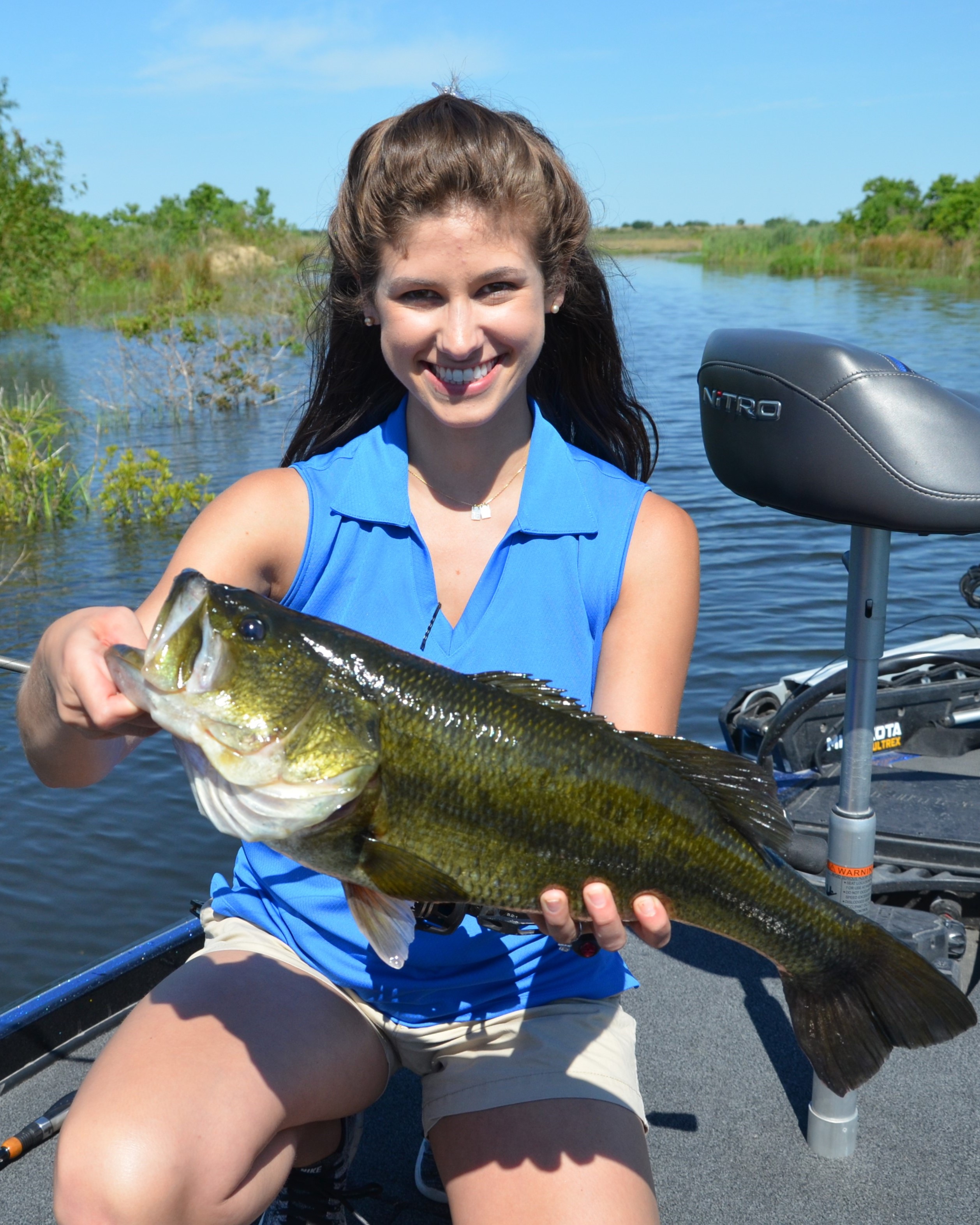
The Tennessee River system famously holds giant smallmouth. Spotted bass or Alabama bass populate many streams. Some small waterways hold various species of redeye bass, shoal or shadow bass and other species. However, when people say “bass,” most Alabama anglers think of largemouth.
Carrying silt drained from many square miles, major rivers in flood stage almost look like they flow with chocolate milk. In the fall, though, most rivers traditionally flow at their lowest and clearest levels. The fall offers anglers some of the best largemouth bass action all year.
As days shorten and temperatures get cooler, bass fatten up on shad and other prey to build up energy reserves before winter and the arduous spawning season to follow in the spring. In the fall, schooling bass frequently attack shad. Water can erupt with activity anywhere without warning. Just as suddenly, fish disappear only to reappear elsewhere moments later. In the right spot, anglers might fill a livewell quickly, if they react fast enough.

“In the fall, I always look for schooling action,” commented Tim Horton, a professional bass angler from Muscle Shoals. “I always scan the surface around me looking for breaking fish. Any lure that looks similar to a shad and creates erratic action might work on schooling bass. We never know when or where bass might pop up so I always keep a lipless crankbait or a heavy topwater lure tied on so I can reach those fish.”
For sheer exhilaration, nothing compares to big, hungry fish ferociously smashing topwater temptations. Topwaters work exceptionally well throughout the fall. When temperatures chill, bass remain active longer, stay near the surface and hunt in the shallows. They also become more aggressive.
“Topwater baits are a fun way to fish,” opined Dean Rojas, a professional bass angler. “In the fall, I like to throw propbaits around grass and woody cover. Around grass, I rip it and then let it sit in pockets. I only move it six to eight inches so it stays in the strike zone longer. I’ve also had success when just steadily reeling propbaits so they make a ‘vee’ in the water almost like a buzzbait.”

Jerkbaits also produce superb action in the fall, on the surface or beneath it. Some jerkbaits float and others suspend or slowly sink. Long, slender minnow-like jerkbaits with small lips dive and wobble enticingly when an angler jerks the rod. When fishing floaters, pop the rod to disrupt the surface so the bait dives a foot or two. Then, pause so the lure floats back to the surface. Also reel jerkbaits slowly and steadily to create erratic, wobbling action.
“I love fishing jerkbaits,” remarked Randy Howell, a former Bassmaster Classic champion from Guntersville. “I use them when the water starts to cool and fish start chasing baitfish, but they are effective all year long. Jerkbaits are very good for targeting non-active fish and provoking reaction strikes.”
Since bass feed heavily upon shad during the fall, lures that mimic baitfish work exceptionally well. Lipless and lipped crankbaits resemble shad and other baitfish. For fishing river shorelines abounding in shallow cover, throw square-billed crankbaits. Square-billed crankbaits dive shallow and run through cover fairly well with erratic action that bass love.

“A square-billed crankbait is great for fishing in heavy cover, like wood or rocks,” explained Gerald Swindle, a professional bass angler from Guntersville. “It’s a shallow-water presentation. It produces more vibration than a rounded bill. Very seldom do I just steadily retrieve a crankbait. The stop and go retrieve is probably the most effective way to retrieve a crankbait. I make a few turns on the reel and stop for a few moments. Then, I start winding again.”
Among the oldest and most versatile baits on the market, spinnerbaits entice bass from the surface to the bottom all year long. Although a spinnerbait doesn’t really look like anything a bass might eat, the whirling blades do mimic the flash made by baitfish. The blades also send vibrations pulsating throughout the water column, provoking reaction strikes.
The ultimate shad imitation, a swimbait looks almost exactly like a baitfish. Some swimbaits come equipped with internal weights that make the bait produce enticing wobbles. With others, soft-plastic tails slip over external jigheads.
“A swimbait is so lifelike that it works very well in clear water,” advised Kevin VanDam, a four-time Bassmaster Classic champion. “In really clear water, fish might shy away from a jerkbait or a spinnerbait. Swimbaits are so natural looking that they don’t scare fish.”
Anglers can work swimbaits almost like topwater baits, buzzing them just below the surface or running them through any depth like crankbaits. In deep water, slow-roll them just off the bottom. Also “worm” them along bottom contours like fishing a Texas-rigged soft-plastic enticement.
In rivers, current dictates where bass stay. In tidal rivers, like in the lower Mobile-Tensaw Delta, current changes direction throughout the day. Almost always, bass stay in slack spots, but face upstream waiting to ambush anything that washes toward them. Facing into the current also gives fish an energy boost as more dissolved oxygen rushes through their gills.
Rivers might challenge even the most experienced anglers, but they offer great rewards, particularly as cooler weather arrives in the fall. Try different baits and spots to locate the fish and see what they want to best.
An avid sportsman, Felsher is professional writer, photographer and radio show host who has written thousands of articles for many publications. He’s always looking for ideas or outdoors adventures that will make good stories. Contact Felsh at [email protected] or through Facebook. He also hosts an outdoors tips show for WAVH FM Talk 106.5 radio station in Mobile.