Newbie question, why would I ever use an indicator instead of just running a dry-dropper rig? Seems like the dry fly does the job of the indicator but also increases chances of hooking a fish?
Newbie question, why would I ever use an indicator instead of just running a dry-dropper rig? Seems like the dry fly does the job of the indicator but also increases chances of hooking a fish?
Posted by Earthling98
17 Comments
PipEngland on
Trout streams can have a lot more flow than a place you can catch sunfish. They sit in runs right on the bottom. A dry fly can only hold so much weight. With a bobber you can use two heavy nymphs and/or split shot and get right down to the bottom where fish are feeding. Bobbers also stay on top in fast water where non foam dry flies will sink in areas with lots of surface movement.
Late-Judge8847 on
When you’re running 3 or 4 subsurface flies you need an indicator. Most feeding is done subsurface. Not as much fun, imo, as dries and dry droppers but very useful as it gets colder
Daeldalus_ on
Main reason i use indicators over big drys sometimes is because it is much easier to adjust the depth of your dropper flies. Getting the correct depth is absolutely critical for trout and does help for panfish.
DrowningInBier on
Because I am so fucking blind
krule8 on
I’ve had so many trout attack my indicator in the past, that I exclusively use a dry as an indicator. Works very well for me.
Public_Gold_7827 on
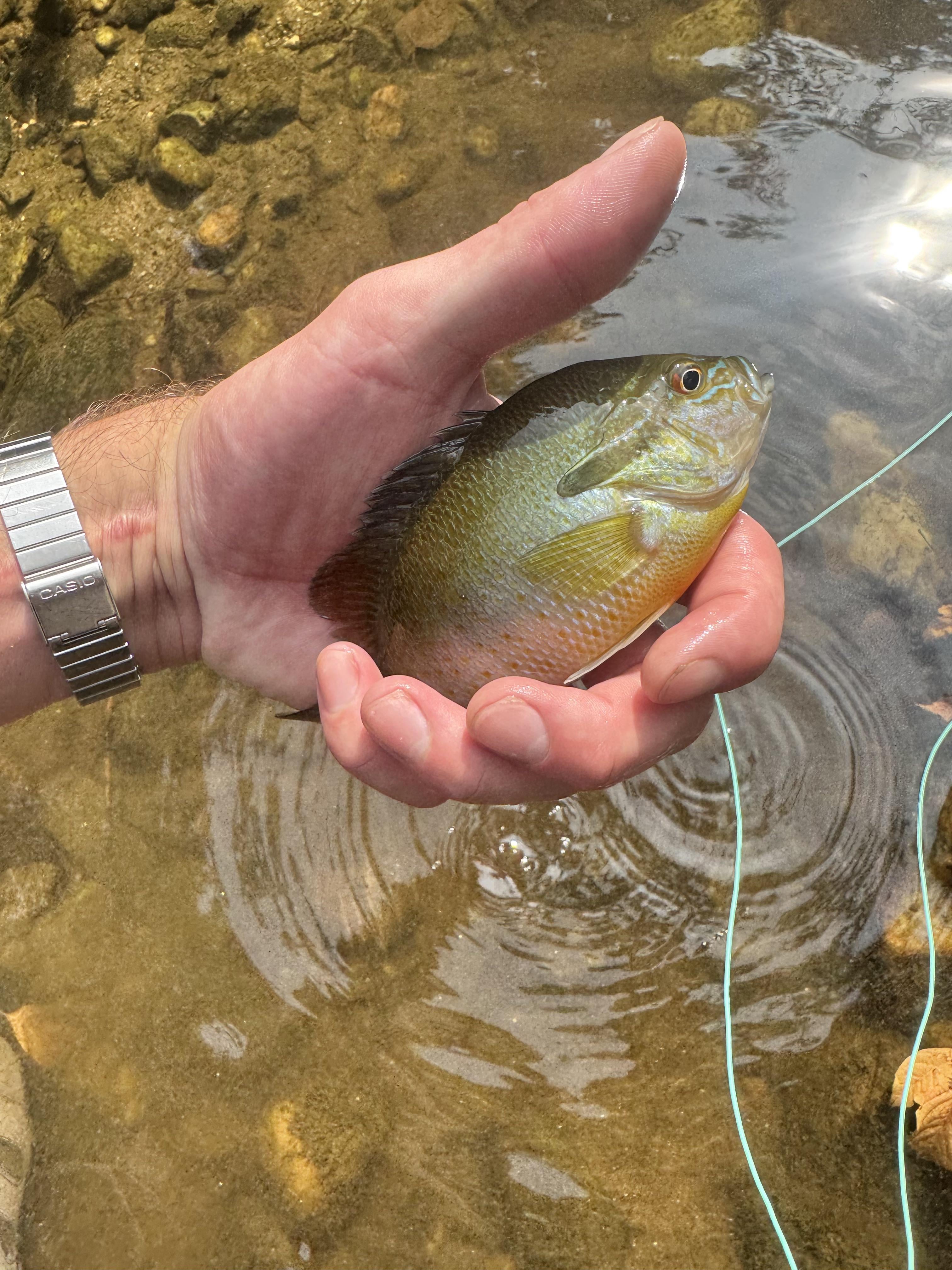
Excellent watch
cmonster556 on
What about where the water is more than a few feet deep? I run indicators an average of 7-9 feet from the top fly in a lot of trout water. And in a lot of seasons where there’s zero chance of a big bug like a hopper being on the water. I’ll take dozens of fish near the bottom over one on the dry when it’s snowing.
Mephistophedeeznutz on
Indicator is more buoyant if you want to run multiple sub surface flies. You can also run no indicator or dry fly and do something like euro nymping. But really what you should be doing instead of nymphing is learning to fish streamers because it’s more fun and engaging then nymphing
3006mv on
You can fish w/o i do the same sometimes
ejsell on
Completely situational. When they start to hit your indicator, it’s time to use an indicator with a hook on it.
Ok_Bake6070 on
diff water conditions, diff line setups/rigs people use or prefer, eyesight are all a factor
Ok-Mathematician8461 on
I find 2 hooks on the 1 line just increases aggravation in the tight streams I fish. The increased tangles and snags just aren’t worth it.
DegreeNo6596 on
Indicators are much more adjustable. This is beneficial when fishing larger rivers with more varying depths.
If there’s no active hatch you’re more likely to catch a fish sub surface. 80% of a fish’s diet comes from below the surface. Certainly dry fly eats are more exciting but if there are no bugs on the water your dry fly on a dry dropper is basically acting as an indicator.
Boyancy, many dry flies will drown while trying to hold your nymph. This can create unnecessary drag or make you swap flies out left and right. More time tying on flies = less fishing, = less fish caught.
Regulations. Some states or areas have restrictions to 1 or 2 flies. If it’s one fly then you need to pick which option. If it’s 2 flies a dry dropper is totally fine but again if there’s no active hatch you’re missing the opportunity to have 2 flies presented sub surface.
Water depths for presentation. With a dry dropper your fishing the surface and depth your dropper is at, if it’s not deep enough you’re just in to top of the water column. Not bad if fish are eating there but most often they are eating in the bottom of the water column where an indicator rig will allow you to get to.
This is not to say there is a time and a place for a dry dropper. In many instances it’s a great setup and a good go to buy I wouldn’t exclude the use of an indicator setup as it can be as effective if not more.
rowathayaccount on
Hopper dropper is illegal in my province 😢
Weary_Dragonfruit559 on
Terrestrials are less effective this time of year for me. It’s cold, there aren’t many real grasshoppers dive bombing into the river in the fall. Instead I opt for a double nymph rig, under an indicator. It’s also more adjustable, so I can keep my flies where I want them in the water column without retying or utilizing a complicat d adjustable dry/dropper.
Bobbers are a classic fishing tool. Don’t let fly fisherfolk who call them an indicator make it more complicated than it is.
gavalo01 on
In my trout fisheries there is a 1 barbless hook per fisherman, so a dry fly would violate that regulation
106milez2chicago on
Because some people wanna bobber fish, but with their pinkies extended

17 Comments
Trout streams can have a lot more flow than a place you can catch sunfish. They sit in runs right on the bottom. A dry fly can only hold so much weight. With a bobber you can use two heavy nymphs and/or split shot and get right down to the bottom where fish are feeding. Bobbers also stay on top in fast water where non foam dry flies will sink in areas with lots of surface movement.
When you’re running 3 or 4 subsurface flies you need an indicator. Most feeding is done subsurface. Not as much fun, imo, as dries and dry droppers but very useful as it gets colder
Main reason i use indicators over big drys sometimes is because it is much easier to adjust the depth of your dropper flies. Getting the correct depth is absolutely critical for trout and does help for panfish.
Because I am so fucking blind
I’ve had so many trout attack my indicator in the past, that I exclusively use a dry as an indicator. Works very well for me.
Excellent watch
What about where the water is more than a few feet deep? I run indicators an average of 7-9 feet from the top fly in a lot of trout water. And in a lot of seasons where there’s zero chance of a big bug like a hopper being on the water. I’ll take dozens of fish near the bottom over one on the dry when it’s snowing.
Indicator is more buoyant if you want to run multiple sub surface flies. You can also run no indicator or dry fly and do something like euro nymping. But really what you should be doing instead of nymphing is learning to fish streamers because it’s more fun and engaging then nymphing
You can fish w/o i do the same sometimes
Completely situational. When they start to hit your indicator, it’s time to use an indicator with a hook on it.
diff water conditions, diff line setups/rigs people use or prefer, eyesight are all a factor
I find 2 hooks on the 1 line just increases aggravation in the tight streams I fish. The increased tangles and snags just aren’t worth it.
Indicators are much more adjustable. This is beneficial when fishing larger rivers with more varying depths.
If there’s no active hatch you’re more likely to catch a fish sub surface. 80% of a fish’s diet comes from below the surface. Certainly dry fly eats are more exciting but if there are no bugs on the water your dry fly on a dry dropper is basically acting as an indicator.
Boyancy, many dry flies will drown while trying to hold your nymph. This can create unnecessary drag or make you swap flies out left and right. More time tying on flies = less fishing, = less fish caught.
Regulations. Some states or areas have restrictions to 1 or 2 flies. If it’s one fly then you need to pick which option. If it’s 2 flies a dry dropper is totally fine but again if there’s no active hatch you’re missing the opportunity to have 2 flies presented sub surface.
Water depths for presentation. With a dry dropper your fishing the surface and depth your dropper is at, if it’s not deep enough you’re just in to top of the water column. Not bad if fish are eating there but most often they are eating in the bottom of the water column where an indicator rig will allow you to get to.
This is not to say there is a time and a place for a dry dropper. In many instances it’s a great setup and a good go to buy I wouldn’t exclude the use of an indicator setup as it can be as effective if not more.
Hopper dropper is illegal in my province 😢
Terrestrials are less effective this time of year for me. It’s cold, there aren’t many real grasshoppers dive bombing into the river in the fall. Instead I opt for a double nymph rig, under an indicator. It’s also more adjustable, so I can keep my flies where I want them in the water column without retying or utilizing a complicat d adjustable dry/dropper.
Bobbers are a classic fishing tool. Don’t let fly fisherfolk who call them an indicator make it more complicated than it is.
In my trout fisheries there is a 1 barbless hook per fisherman, so a dry fly would violate that regulation
Because some people wanna bobber fish, but with their pinkies extended