
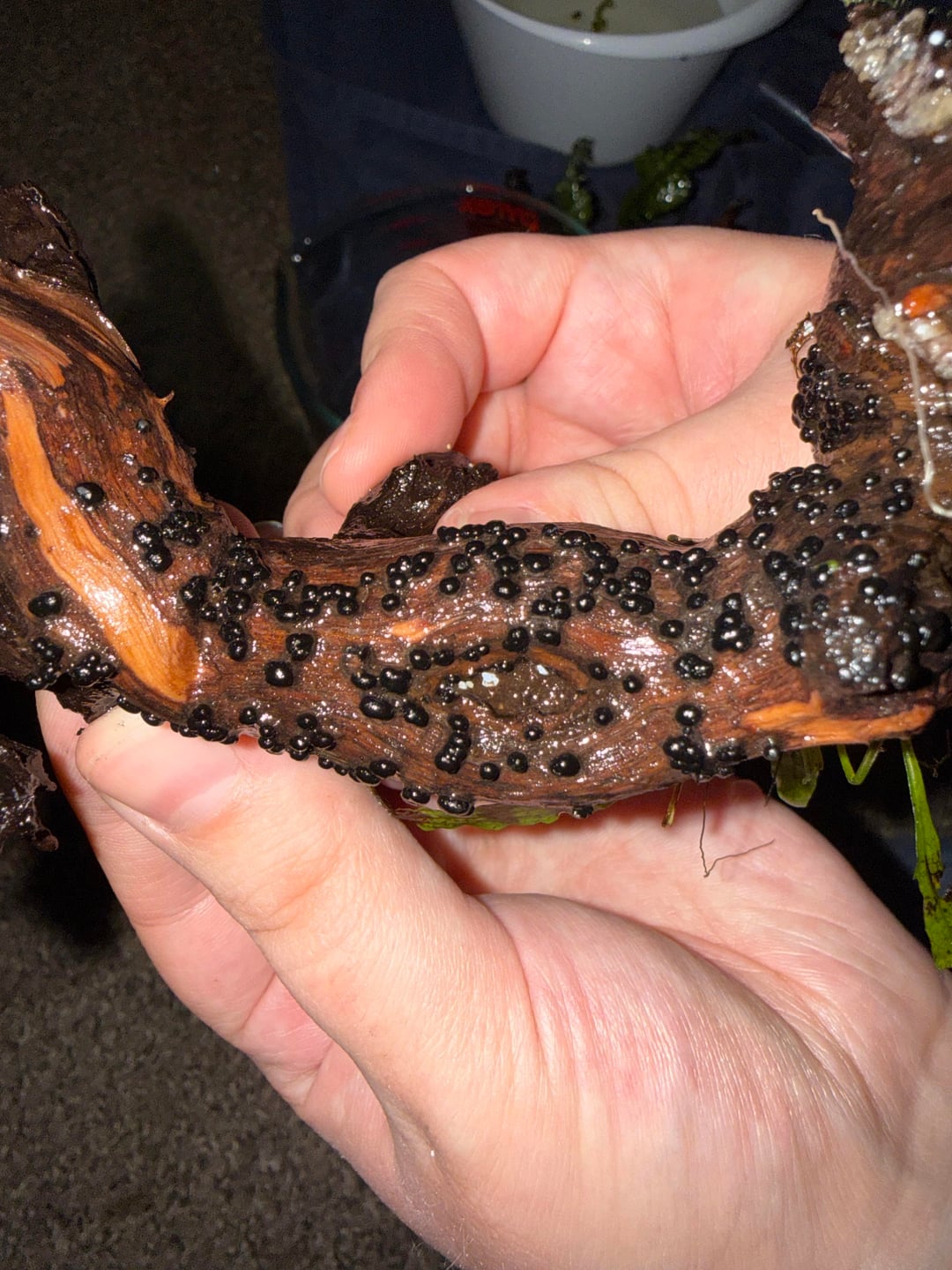
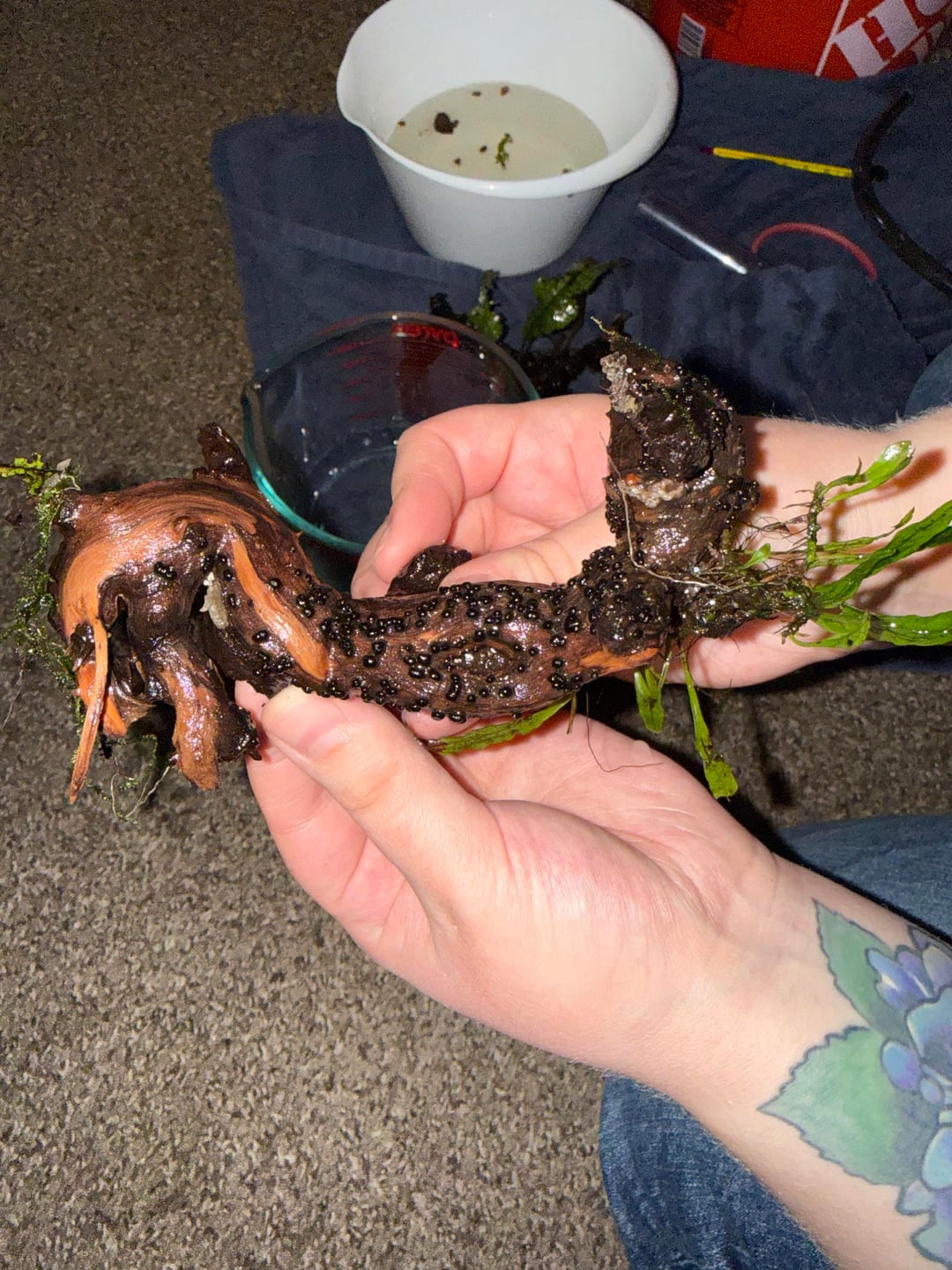
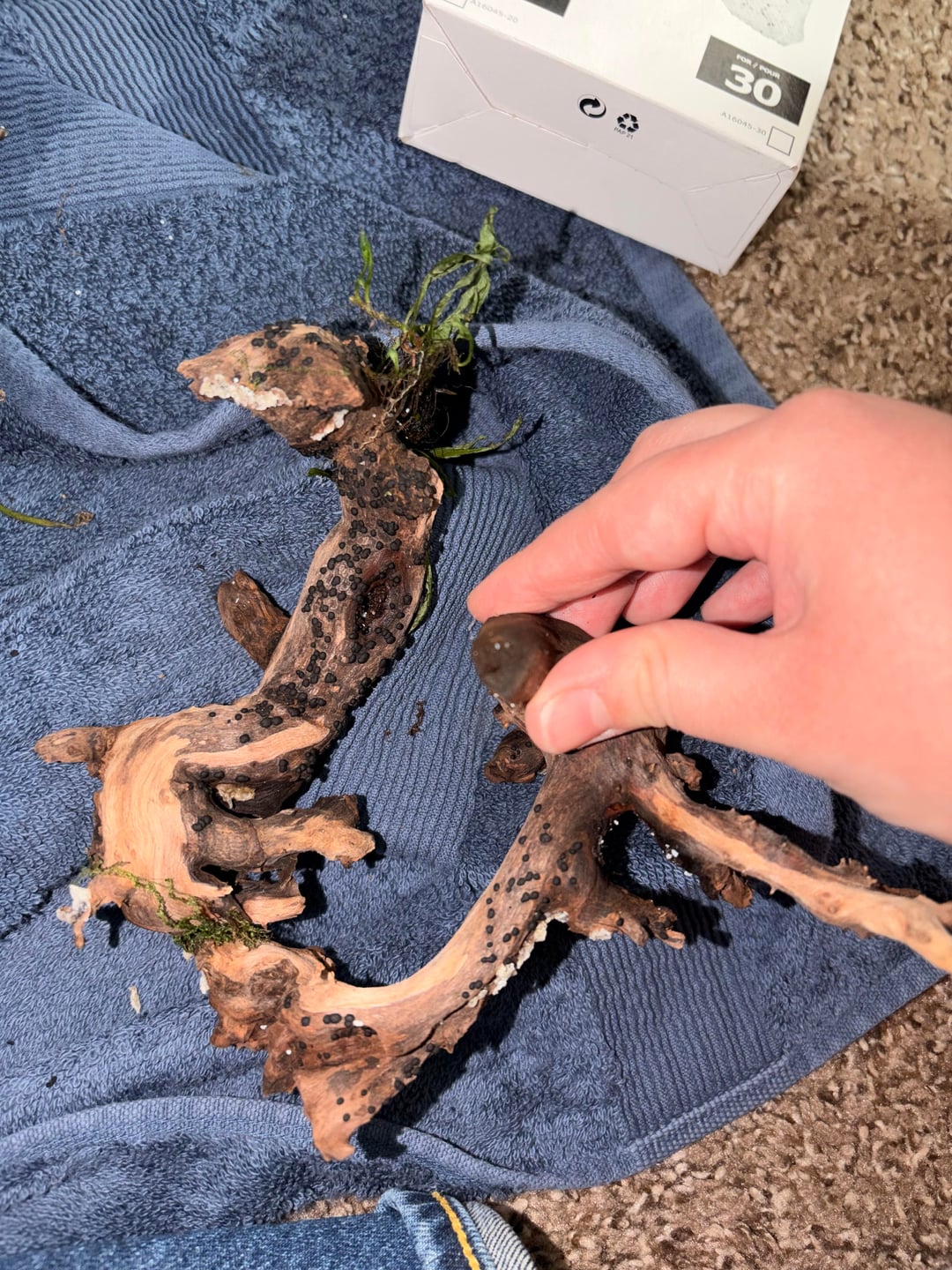
TL;DR: The sample has been shipped to determine if these are fungal or not. Another forum insisted these are a protective measure taken by bryozoan statoblasts which are harmless but I am not sure. The deaths in my tank were likely caused by chronic nocturnal hypoxia since even if this is fungal, it was likely not the culprit.
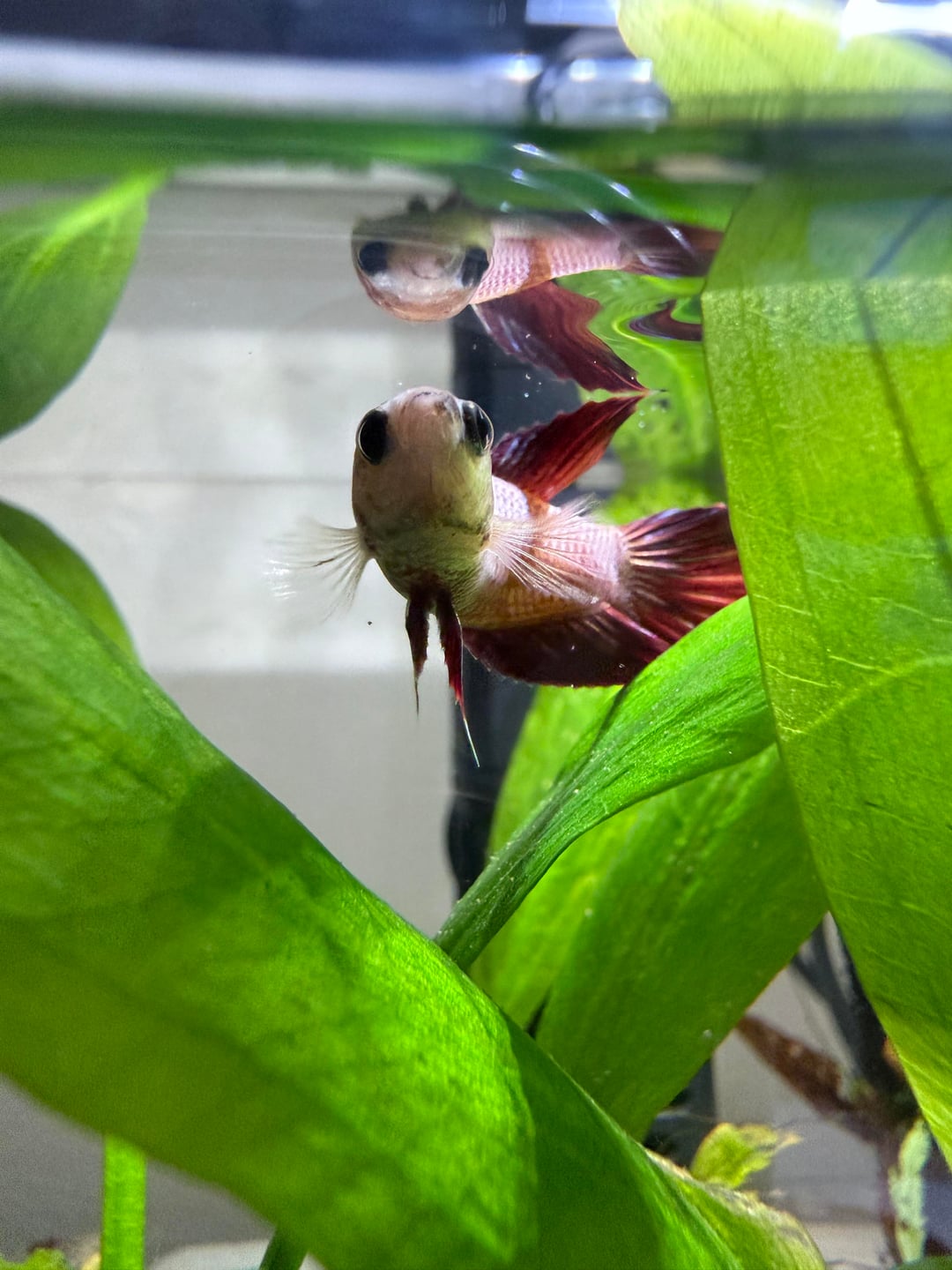
[Here](https://www.reddit.com/r/bettafish/s/QoOr3jbiHx) was the original post. TL;DR of that one, my ramshorns started to die and my betta passed away after a few days of horrific seizure-like episodes.
I've got the driftwood shipped out to an expert for genetic testing, so hopefully we will figure out what this is, mainly if it's fungal or not.
On another forum, folks were VERY adamant that these are a stage of bryozoan statoblasts. They say these invertebrates form these hard clumps of cells under certain conditions as a protective measure. I was not convinced but I am not an expert.
As for the deaths in my tank, and the fact that my nerite was okay, the consensus was whether this is fungal or not, it was likely not the culprit. Rather it was a symptom of an overarching issue. My tank was heavily planted and fully cycled. Parameters were always 0's across the board (some occasional nitrates, but they didn't last long). What likely caused the deaths and the bryozoans to form these shells (if that's what they were) was chronic nocturnal hypoxia–since my plants went sicko mode, they were absorbing a lot of oxygen from the water during the nighttime and my surface agitation was not enough. This would explain why my betta never got very big, which I had blamed on poor genetics. It would also explain her neurological symptoms–her brain would have suffered from the chronic lack of oxygen, ultimately resulting in her seizure-like activity. (She would begin to rapidly wrap herself in tight circles almost like mating, then freeze and begin to sink, then immediately start zipping around the tank at top speed, crashing into everything and sometimes even leaping out of the water. When I posted her on forums during her final days, the consensus was that it was unlike anything anyone had ever seen, and all I could do was try to keep her calm and hope it went away. Towards the end as her body was weak, her seizures became her becoming extremely stiff and trembling until the seizure passed. When I would come to see her she would try to swim up to me like normal, but her body seemed to betray her, and she would begin to seize again.) It's uncertain if adding an air stone at the end would have saved her at that point, but I did drastically increase surface agitation on a hunch which in hindsight did seem to calm her. I will never go without an airstone again either way.
So that's where we are at. I think I at least have my answer as to what caused her death which I am coming to terms with since it was technically my fault. I loved that fish so dearly, she was my pride and joy.
https://www.reddit.com/gallery/1q3w8mv
Posted by funtimescoolguy
5 Comments
Link embed fail lmao oops
“plants went sicko mode, they were absorbing a lot of oxygen from the water during the nighttime” – I … wait… what? There can be that you have too many plants?
Damn. Getting an airstome for my establishing bookshelf tank then. Sorry you had this experience, thanks for sharing so we can all be better fishkeepers
I don’t think it’s super likely that your issue was low oxygen. Bettas are labyrinth fish and are perfectly capable of breathing oxygen at the surface; furthermore, symptoms of hypoxia tend to be rapid gill movement and inflamed gills leading to lethargy, not seizures to my knowledge. It *could* be that oxygen was so low there wasn’t sufficient amounts to participate in oxidizing waste products, but I’m not enough of a chemist to really weigh in on that. I think it’s much more likely your fish had a congenital issue since she was undersized and showing neurological symptoms, or that she had an infection or parasite of some kind, like whirling disease in salmonids. Either way, I’m sorry for your loss and adding a little surface agitation to the tank is probably a good idea.
Wow, I’ve been hoping for an update on this. Absolutely wild, but that’s an impressive bit of sleuthing there to getting some answers. Hopefully more are incoming as well.
Thanks for sharing the journey of this strange case.