
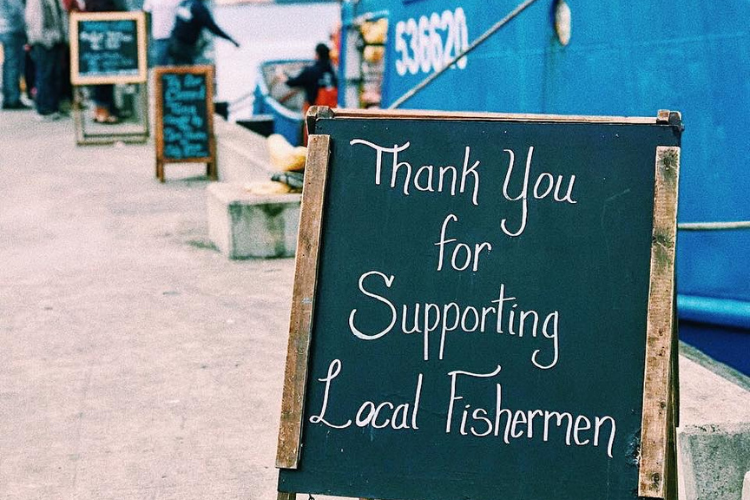
The United States manages some of the world’s most productive and sustainable fisheries. American commercial fishermen and seafood businesses operate on a foundation of rigorous science-based standards set through decades of fisheries monitoring and careful management. Despite the successful management strategies that have ensured abundance within domestic fisheries for generations, American fishermen have navigated increasingly restrictive regulations, borne rising production costs, and faced insurmountable competition from cheap foreign imports, often procured through illegal fishing practices that cut corners and fail to meet U.S. stringent ethical standards.
President Trump promised to reverse the decline of the U.S. seafood industry and champion the needs of American fishermen. Following the guidance set by the President’s Executive Order on Restoring American Seafood Competitiveness, the Trump Administration announced the release of the America First Seafood Strategy, a coordinated federal plan to expand sustainable domestic seafood production, modernize critical infrastructure, improve market opportunities for American harvesters and processors, and ensure fair competition in U.S. and global markets.
The Strategy builds on NOAA’s science-based management foundation by aligning federal research, policy, and existing authorities to increase sustainable harvest opportunities, reduce unnecessary costs, rebuild domestic processing and shoreside capacity, and give American seafood a stronger competitive position.
The plan organizes federal efforts around five interconnected priorities. Together, these pillars aim to deliver measurable benefits for America’s economy and fishing communities: more domestic production and processing, stronger working waterfronts, expanded market access, fairer competition, and greater recognition of seafood’s role in healthy diets and national food security.
Seattle, USA – August 18, 2015: A fish Monger at Pike Place Market catching a fish for tourists late in the day. Credit: Shutterstock
American Seafood First: Labeling, Marketing, and Market Access
The label for U.S.-caught seafood.
This pillar focuses on giving American seafood a clearer identity and stronger presence in domestic markets.
Key actions include establishing a voluntary “U.S.-Caught Seafood” designation for products harvested by American commercial fishermen on U.S.-flagged vessels under U.S. fisheries management. The designation complements existing country-of-origin labeling and helps consumers distinguish U.S.-managed seafood from foreign-origin products. Federal agencies will also:
Expand opportunities for American-harvested and processed seafood in government procurement programsLaunch a nationwide “Eat American Seafood” campaignModernize outdated market names for underused speciesEstablish a joint interagency task force to strengthen enforcement against seafood fraud, species substitution, and mislabelingImprove access to existing market-development programs for small-scale fisheries and cooperativesBenefits for the Economy and Fishing Communities
Clearer labeling and targeted promotion help American products stand out in a crowded marketplace, supporting higher demand and better prices for domestic harvesters and processors. Expanded federal procurement and commercial market connections create steadier outlets for U.S. seafood, strengthen regional supply chains, and keep more of the economic value of the catch in coastal communities. Reduced barriers for smaller operators and cooperatives improve resilience for family-owned businesses and local food systems.
Rebuilding America’s Seafood Infrastructure and Processing Capacity
This pillar addresses the physical foundation of the domestic seafood industry: processing plants, cold and wet storage, working waterfronts, docks, shipyards, and the aging fishing fleet.
Federal agencies will streamline permitting, reduce regulatory barriers to private investment, and better leverage existing U.S. Department of Agriculture, Small Business Administration, and NOAA financing tools. Priorities include:
Reopening and modernizing processing facilitiesExpanding cold-storage capacityImproving vessel financing and modernization pathwaysCoordinating faster environmental and administrative reviews for waterfront projects
Success will be tracked through operational indicators such as increases in domestic production and processing, private capital invested, and reduced reliance on foreign supply chains.
Benefits for the Economy and Fishing Communities
Stronger domestic processing and logistics capacity allow more U.S.-caught seafood to be landed, processed, and sold in the United States, creating and preserving jobs in coastal towns. Modernized vessels and shoreside facilities improve safety, efficiency, and product quality while lowering operating costs for fishermen. Reinvestment in working waterfronts supports the broader maritime economy—shipyards, ice plants, transportation, and related businesses—helping communities retain economic activity that has shifted overseas.
Fair Trade and Import Compliance and Enforcement
This pillar focuses on leveling the playing field so American producers can compete on fair terms.
Actions include:
Stronger coordination and enforcement of the Seafood Import Monitoring Program and related authoritiesTargeted inspections of high-risk importsUse of advanced tools to detect violationsContinued work with the Office of the U.S. Trade Representative to address non-reciprocal barriers, distortive subsidies, and illegal, unreported, and unregulated fishing practices
An annual report will track progress on key seafood trade imbalances and market-access challenges.
Benefits for the Economy and Fishing Communities
Effective import monitoring and enforcement reduce the competitive pressure from illegally or unfairly produced foreign products, helping protect prices and market share for compliant U.S. fishermen and processors. Progress on reciprocal market access expands export opportunities for American seafood, supporting higher overall demand and revenue. Reduced illegal, unreported, and unregulated fishing and seafood fraud also protect the integrity of U.S. supply chains and the reputation of American products.
Regulatory Reform and Industry Partnership
This pillar recognizes that sustainable fisheries and a viable industry go hand in hand.
Building on input received under the Seafood Competitiveness Executive Order, NOAA will advance targeted regulatory reforms in partnership with the regional fishery management councils. Efforts include:
Ensuring catch limits reflect the best available scienceReducing compliance costs that do not advance conservationImproving permitting predictability for responsible marine aquaculture in federal watersBenefits for the Economy and Fishing Communities
Science-based flexibility and reduced unnecessary burdens allow fishermen to operate more efficiently while maintaining sustainable management. Clearer aquaculture permitting standards attract private investment and create complementary production pathways that reduce reliance on imports. Stronger industry–agency partnerships improve the practicality of regulations and support long-term economic viability for fishing businesses and coastal communities.
Strengthening American Health Through Seafood
This pillar connects sustainable U.S. seafood production with public health goals.
Federal health and nutrition agencies will:
Update Dietary Reference Intakes where neededAlign guidance and program materials with current science on seafood’s benefitsCoordinate public education with the “Eat American Seafood” campaign
NOAA will contribute accurate fisheries and aquaculture information to these efforts.
Benefits for the Economy and Fishing Communities
Greater public awareness of seafood’s nutritional value supports increased domestic demand, creating a larger market for U.S. harvesters and processors. Aligning federal nutrition programs and messaging with science helps position American seafood as a preferred, high-quality protein source, reinforcing the economic case for rebuilding domestic production and infrastructure.
Looking Ahead
The America First Seafood Strategy relies on existing authorities and programs, emphasizing coordination, barrier reduction, and measurable results rather than new spending initiatives. NOAA’s contributions center on science-based fisheries management, verification support for labeling and monitoring programs, and partnership with industry and the regional fishery management councils.
By advancing these five priorities together, the Strategy aims to increase the share of seafood that is harvested, landed, processed, and sold in the United States. This will strengthen coastal economies, support American jobs, enhance national food security, and ensure that U.S. fishermen and seafood businesses can compete successfully at home and abroad, ultimately putting more American fish on American plates.