
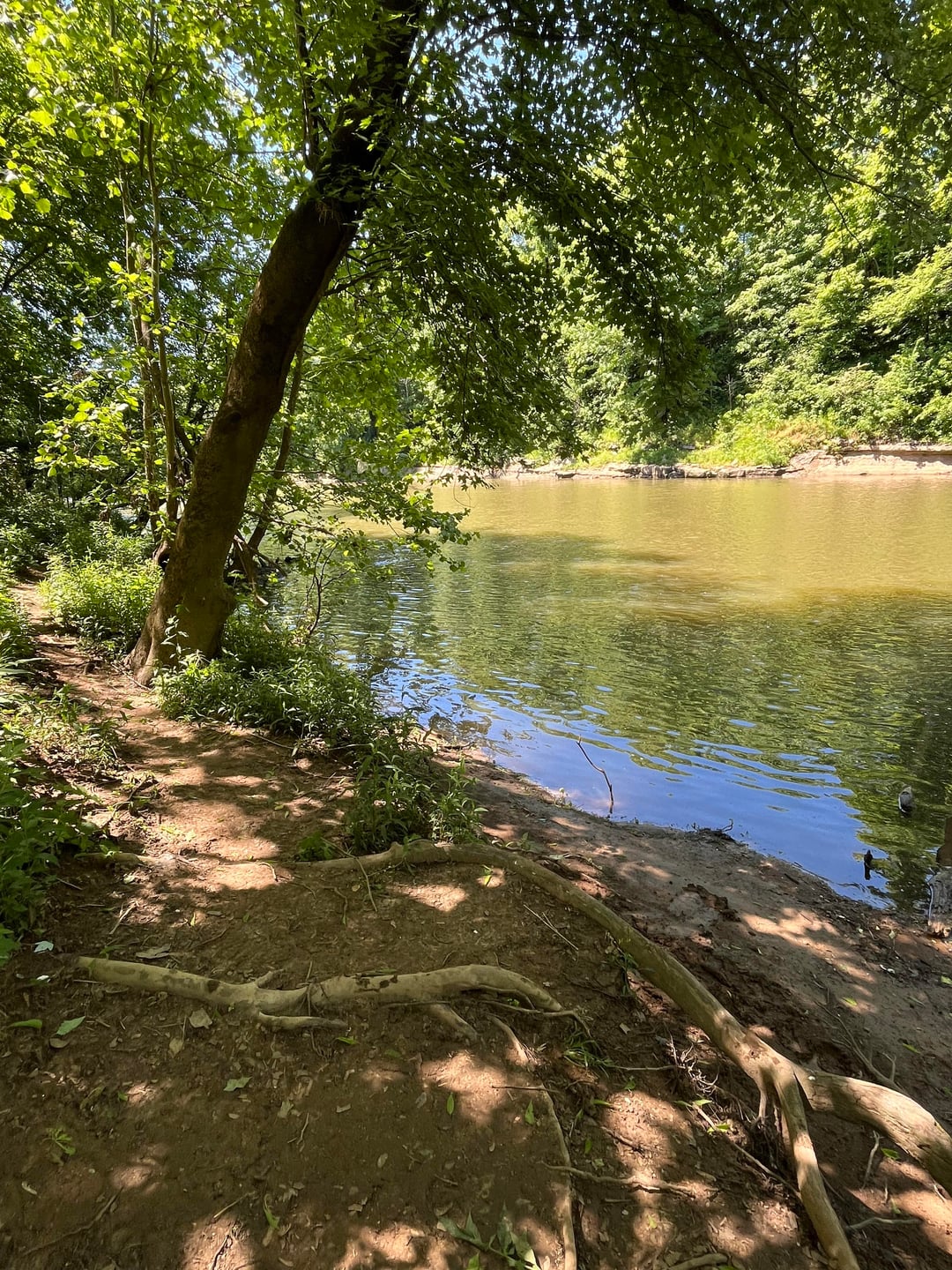
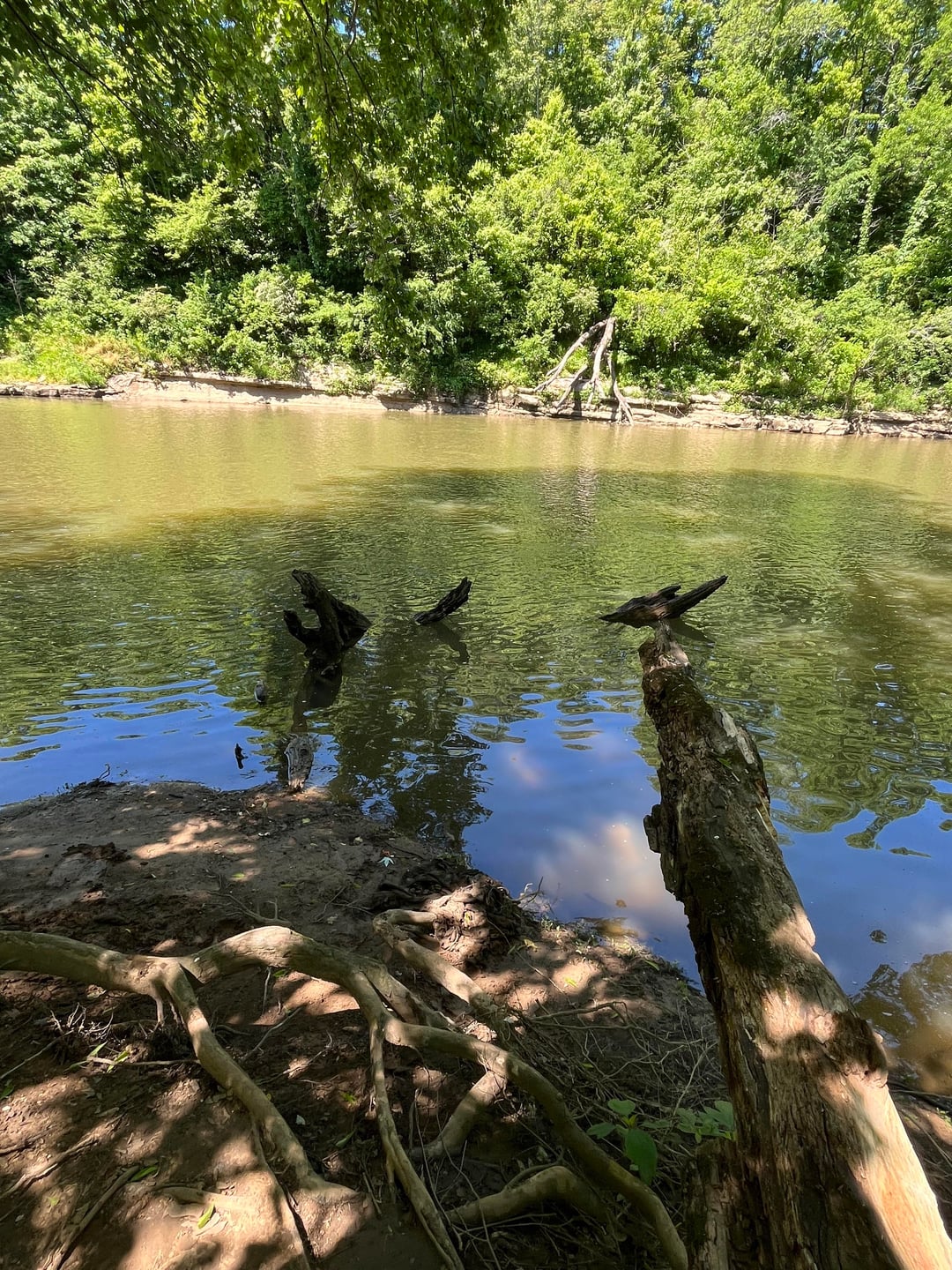
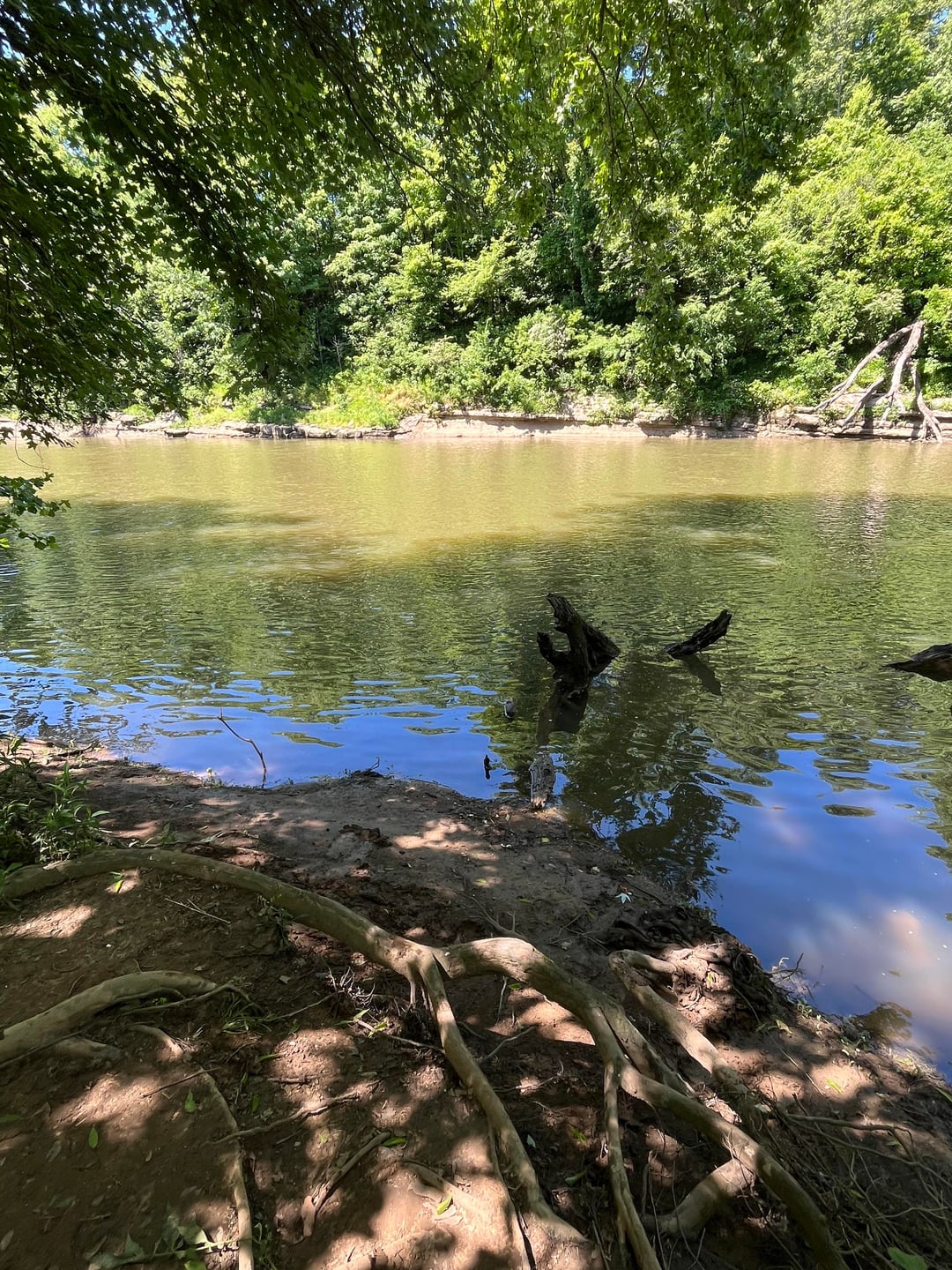
Location on the Duck River. Didn’t catch anything but also had no idea what to do. Tried both a rooster tail and a bobber, split shot and worms or mealworms. I found that I was either losing hooks on debris or the bobber and stuff would just float to the bank where I assume there were no fish
Posted by SaladProfessional866
6 Comments
Ahhh, shallow and muddy, my speciality.
Weedless senko or Wooly bugger. Fire them into whatever structure you’re likely to find. Pretty much any solid break in the current or bouldery rocks. Keep the bugger off the bottom. Keep the senko on the bottom.
Pro tip: shallow river like this has the fish mostly worried about birds. Fish shadows and underhangs – places you might hide from a bird.
How would I fish it? Unsuccessfully, most likely lol.
Rooster tails and spinners, single hook and no/flattened barb. Usually 1/16-1/8.
And it depends what you’re fishing for. I do trout fishing mostly, and they like cooler, somewhat calmer waters near shaded areas like banks with trees and rocks and what not. Sometimes they’re just deep in the water as well, trying to stay away from the surface.
I got a pair of waist waders and boots so I can go out into the water a bit. That’s unlocked a lot of spots for me, but also you have to be careful and make sure you don’t step into a current that’s too powerful.
I found that there’s so many variables that you just need to try and spot areas where fish are most likely, take into account cloud coverage, wind, and direct sun, use appropriate lures and line, and try reeling in differently. If you get nothing after casting into a few different spots over like 15 min, move 15 yards and try again.
Granted I’ve only caught a small handful of trout so take what I say salted, but this is the advice I got from a few different youtube videos.
Like most pix on this sub, these show pretty straight, largely featureless stretches of stream/river. One of the first things to look for are bends, where the current scours out deeper holes on the outside of the turn. That is a great place to start. Also, look for other features and structure. Riffles are good, they tend to produce food, and fish will lurk in the tailrace, that is downstream from them. Pretty much any structure, rocks, logs, etc, esp when there’s a fair amount of current. Fish will set up behind them, out of the current, and opportunistically dart out to grab food that comes by. If you find a spring or smaller creek entering into the stream, this can be a small spot, esp in the summer, because the creek will often have cooler water.
You’re at the beginning of a process, learning to “read” a stream/river, and these are some good places to start.
Wading can greatly increase your ability to reach different points, cut-offs and old tennies, but muddy water makes it hard to see the bottom, so be careful. Also, in TN, I suppose watch out for snakes too.
With a pole
If there is no alligators.
If there’s a bit of a current I’d go with a hellgrammite. Let it be pulled by the current into current breaks, holes, past structures.